How to Buy a Retail Plaza in Ontario: Underwriting, Risks & Acquisition Costs
To buy a retail plaza in Ontario, an investor should underwrite the income first and the building second: verify the rent roll against the leases, rebuild net operating income from actual records, test how much of the tenants’ rent is truly recoverable, and price the risk of lease expiries and capital work before agreeing to a price. Retail plazas can offer stable, diversified income, but they are also among the most lease-dependent property types, and small differences in tenant quality, lease term or cost recoveries can change value materially. This guide is for investors and owner-operators considering a strip mall, neighbourhood plaza or multi-tenant retail property in the GTA or Southern Ontario. It covers what to analyze, how to finance and structure the purchase, Ontario-specific costs, and the mistakes buyers most often make.
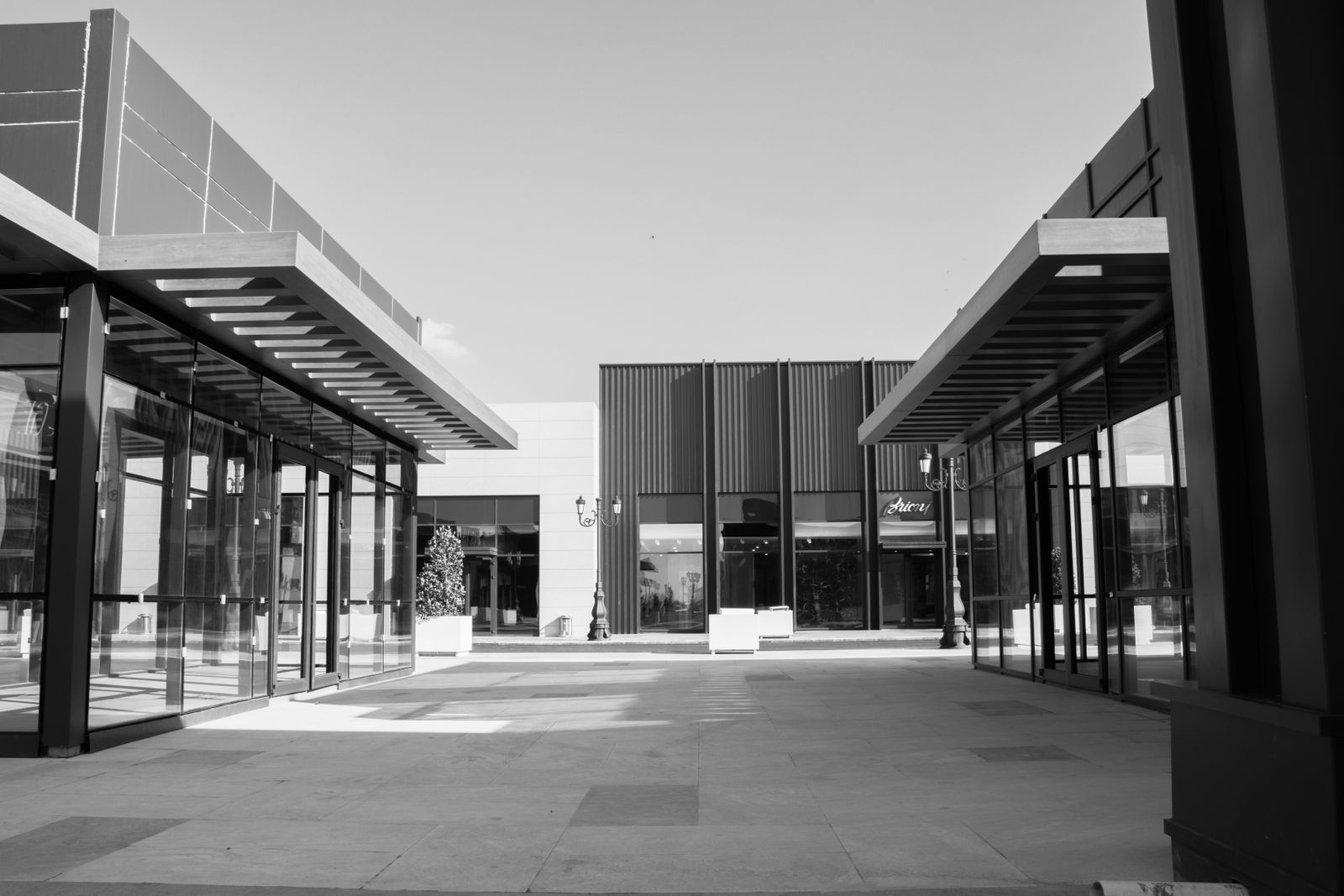
Decide What Kind of Plaza You Are Buying
Retail plazas fall into distinct categories, and the analysis changes with the category.
- Stabilized, net-leased plazas with long-term tenants. Income is predictable, competition among buyers is usually stronger, and the price reflects that.
- Grocery- or pharmacy-anchored plazas. The anchor’s lease, renewal options and any co-tenancy terms are central to the risk.
- Multi-tenant plazas with local operators. Higher rent per square foot may be available, with more tenant turnover and more management intensity.
- Value-add plazas with vacancy, below-market rents or physical issues, where the return depends on execution.
- Redevelopment sites, where the land, zoning and planning potential matter more than the existing building.
Be clear about which one you are pursuing, and whether your experience, capital and risk tolerance match it.
Underwriting the Income
Start with the rent roll, then verify it against the leases
The rent roll is the seller’s summary. The leases are the contract. Compare each tenant’s base rent, term, options, escalations and recoveries in the lease to the figure shown on the rent roll, and reconcile the total to the bank deposits and operating statements. Discrepancies are a reason to slow down and ask questions.
Rebuild NOI independently
Calculate net operating income from actual income and expenses rather than the seller’s pro forma, including a market management fee and, if appropriate, a replacement reserve. Our guide on how to calculate NOI sets out the classification issues. Then apply the cap rate and cross-check against comparable sales; see what a cap rate is and how it is used.
Test recoveries
In a net-leased plaza, tenants reimburse their share of realty taxes, insurance and common area maintenance (CAM). Check what the leases actually allow. Some cap annual increases, exclude categories of cost such as management fees or capital repairs, or use fixed contributions. Vacant units do not pay their share, so the landlord absorbs the unrecovered cost. A pro forma that assumes full recovery may overstate NOI.
Assess lease rollover
Map when each lease expires and what the rent is compared to market. A cluster of expiries in a short period creates concentrated risk; a staggered schedule spreads it. The weighted average lease term (WALT) summarizes this, but it can hide an anchor expiry, so review the schedule tenant by tenant. Also budget realistically for re-leasing costs: downtime, tenant inducements, leasing commissions and tenant improvements.
Evaluating Tenants and the Lease Terms That Matter
- Covenant strength. Financial strength of each tenant, and whether leases are guaranteed by a corporate parent or an individual.
- Sales performance, where available. Tenants paying rent well above what their sales can support are a renewal risk.
- Percentage rent provisions, and whether they are actually being collected.
- Exclusive-use clauses. An exclusive granted to one tenant can restrict what you can lease to others and limit re-leasing options.
- Co-tenancy clauses. These may allow tenants to reduce rent or terminate if an anchor leaves or occupancy falls below a set level.
- Renewal options and rent reset mechanics. Options at fixed or below-market rents limit upside.
- Assignment, subletting and termination rights.
- Landlord obligations, such as repair responsibilities, parking commitments or outstanding tenant allowances.
The lease is a private contract, and landlord and tenant rights in Ontario are also affected by the Commercial Tenancies Act. Have your lawyer review the leases for anything that could limit the landlord’s rights or the property’s value.
Site, Location and Physical Condition
Retail depends on the site. Evaluate traffic volumes and visibility, ease of access and turning movements, parking count and layout, signage rights, the surrounding population and the strength of nearby competing centres. Look at the trade area in person at different times of day.
A building condition assessment should cover roofs, parking lot and drainage, storefronts and facades, HVAC units, electrical service, fire protection and accessibility. Parking lots and roofs are large capital items, so obtain estimated remaining life and replacement costs rather than a general description.
Environmental Risk in Retail Plazas
Environmental risk in plazas often traces back to specific tenants or past uses. Dry cleaners, gas stations, automotive service and certain industrial uses on or near the site are the typical concerns. A Phase I environmental site assessment is the usual starting point. In Ontario, these are commonly done to CSA Z768 or, where the work supports a Record of Site Condition, to Ontario Regulation 153/04. A Phase II involves sampling if the Phase I identifies areas of concern. Lenders commonly require the Phase I, and it is the buyer’s best protection against inheriting a liability. See our commercial real estate due diligence checklist for the full review.
Zoning and Planning
Confirm that the zoning permits the existing uses, and check for legal non-conforming uses, parking deficiencies, and any restrictions in site plan agreements. If you plan to add pad buildings, expand or intensify the site, review the Official Plan designation and zoning by-law, and speak to a planner about the process, timing and development charges. Provincial planning policy is set out in the Provincial Planning Statement, 2024, which came into effect on October 20, 2024 and guides municipal planning across Ontario.
Financing a Retail Plaza
Lenders underwrite plazas on the property’s income, the quality and term of the leases, the location and your experience and financial strength. Expect requirements such as an appraisal, environmental report, building condition report, tenant estoppels and often subordination and non-disturbance agreements. Debt service coverage ratio (DSCR), the ratio of NOI to annual debt payments, is a central test. Lease rollover within the loan term will attract scrutiny. Our overview of how to finance a commercial property in Ontario explains the process, and the CapRate.ca mortgage page outlines financing support.
Build the financing conditions into your offer with enough time for the lender’s reports. A buyer who waives financing before the lender has approved the property takes on risk that is difficult to reverse.
Ontario Acquisition Costs
- Land transfer tax. On non-residential property, Ontario’s rates are 0.5% up to $55,000, 1.0% from $55,000 to $250,000, 1.5% from $250,000 to $400,000 and 2.0% above $400,000. In the City of Toronto, a municipal land transfer tax also applies, on the same brackets for non-residential property.
- HST. Sales of commercial real property are generally taxable. Where the purchaser is a GST/HST registrant, it typically self-assesses the tax and reports it on its return rather than paying the vendor; where the purchaser is not registered, the vendor collects it. Your lawyer and accountant should confirm the treatment, including whether an election applies.
- Realty taxes. Property assessment is set by MPAC, and MPAC has stated that 2026 assessments continue to be based on January 1, 2016 values. When a new valuation date is introduced, taxes may change, so consider how recoverable they are under the leases.
- Professional and lender costs, including legal fees, environmental and building reports, appraisal fees and any lender fees.
Common Mistakes When Buying a Retail Plaza
- Paying for the pro forma. Price should be based on in-place, verified income, with credit only for realistic, achievable improvements.
- Ignoring the anchor. Anchor tenant lease terms and co-tenancy provisions can be the largest driver of risk.
- Overestimating recoveries. Caps, exclusions and vacant-unit shortfalls lower real NOI.
- Underestimating re-leasing costs. Inducements, commissions and downtime are real costs.
- Skipping environmental work. Retail plazas with dry cleaners, gas or automotive uses can carry material exposure.
- Not budgeting capital. Roof, paving and mechanical replacement should be reflected in the price or a reserve.
- Buying the location without understanding the trade area. Competing centres and changes in traffic patterns affect long-term rent.
- Letting conditions lapse. Manage every condition date with your lawyer.
Frequently Asked Questions
How do I evaluate a retail plaza for purchase?
Verify the rent roll against the leases, rebuild NOI from actual records, test recoveries, map lease expiries, assess tenant quality, and inspect the site, condition and environmental history before pricing the property.
What is a good cap rate for a retail plaza?
It depends on tenant quality, lease term, location and market conditions at the time. Use current transaction evidence and treat any quoted figure as a range, not a guarantee.
What is the difference between gross and net leases in a plaza?
In a net lease, tenants pay base rent plus their share of taxes, insurance and common area costs. In a gross lease the landlord pays operating costs from the rent. It changes both income and the landlord’s risk.
What is WALT?
Weighted average lease term: the average remaining term of leases, weighted by rent or area. It gives a quick picture of income durability, but the individual expiry schedule matters too.
Do I need an environmental assessment to buy a plaza?
It is not legally required for every purchase, but lenders commonly require a Phase I, and it is a prudent step, especially where uses such as dry cleaning, fuel or automotive service are present.
How much down payment is needed for a commercial plaza?
Lenders set equity requirements based on the property, the tenants and the borrower. Speak with a lender or mortgage professional about current terms rather than relying on a general figure.
Can I add a pad building or expand a plaza?
Possibly, subject to zoning, site plan approval, servicing, parking requirements and lease restrictions. Confirm early with the municipality and a planner.
What happens if a key tenant leaves after I buy?
You lose that rent and may face co-tenancy claims, re-leasing costs and downtime. This is why lease terms and rollover should be analyzed before the price is agreed.
Conclusion
A retail plaza is a bundle of leases sitting on a piece of land, and the quality of those leases decides most of the outcome. Buyers who verify income against source documents, understand each tenant’s contractual rights, and price the capital, environmental and rollover risks generally negotiate from a position of strength. Before acquiring a commercial property, investors should understand not only the asking price, but also the property’s income, leases, expenses, physical condition and future potential. CapRate.ca works with commercial property buyers and sellers across the GTA and Southern Ontario, and you can review current retail plazas for sale in Ontario or read about buying commercial property in Ontario more generally.
Sources and Further Reading
- Government of Ontario: Calculating land transfer tax
- City of Toronto: Municipal land transfer tax rates and fees
- Canada Revenue Agency: GST/HST Memorandum 19-4-1, Commercial Real Property – Sales and Rentals
- Municipal Property Assessment Corporation: The Assessment Cycle
- Government of Ontario: Ontario Regulation 153/04, Records of Site Condition
- Government of Ontario: Provincial Planning Statement, 2024
This article is general information and is not legal, tax, accounting, environmental or financial advice. Consult qualified professionals before making a purchase decision.
CapRate.ca works with commercial property buyers and sellers across the GTA and Southern Ontario. Browse current retail plazas or speak with us about your acquisition criteria.
View Retail Plazas for Sale