How to Buy an Office Building in Ontario: Leases, Leasing Costs and Risk
To buy an office building in Ontario, a buyer has to underwrite something more complicated than a building: a set of leases, a leasing plan, a capital budget and an opinion about whether tenants will want the space when their leases end. Office is more sensitive than many other property types to lease rollover, leasing costs and the quality of the building relative to competing space, so a purchase that looks attractive on current NOI can look very different once those costs are included. This guide is for investors and owner-users considering an office building in the GTA and Southern Ontario. It covers the types of buyer, what to verify in the income, how to treat leasing costs and vacancy, physical and planning issues, financing, and the mistakes that most often hurt office buyers.
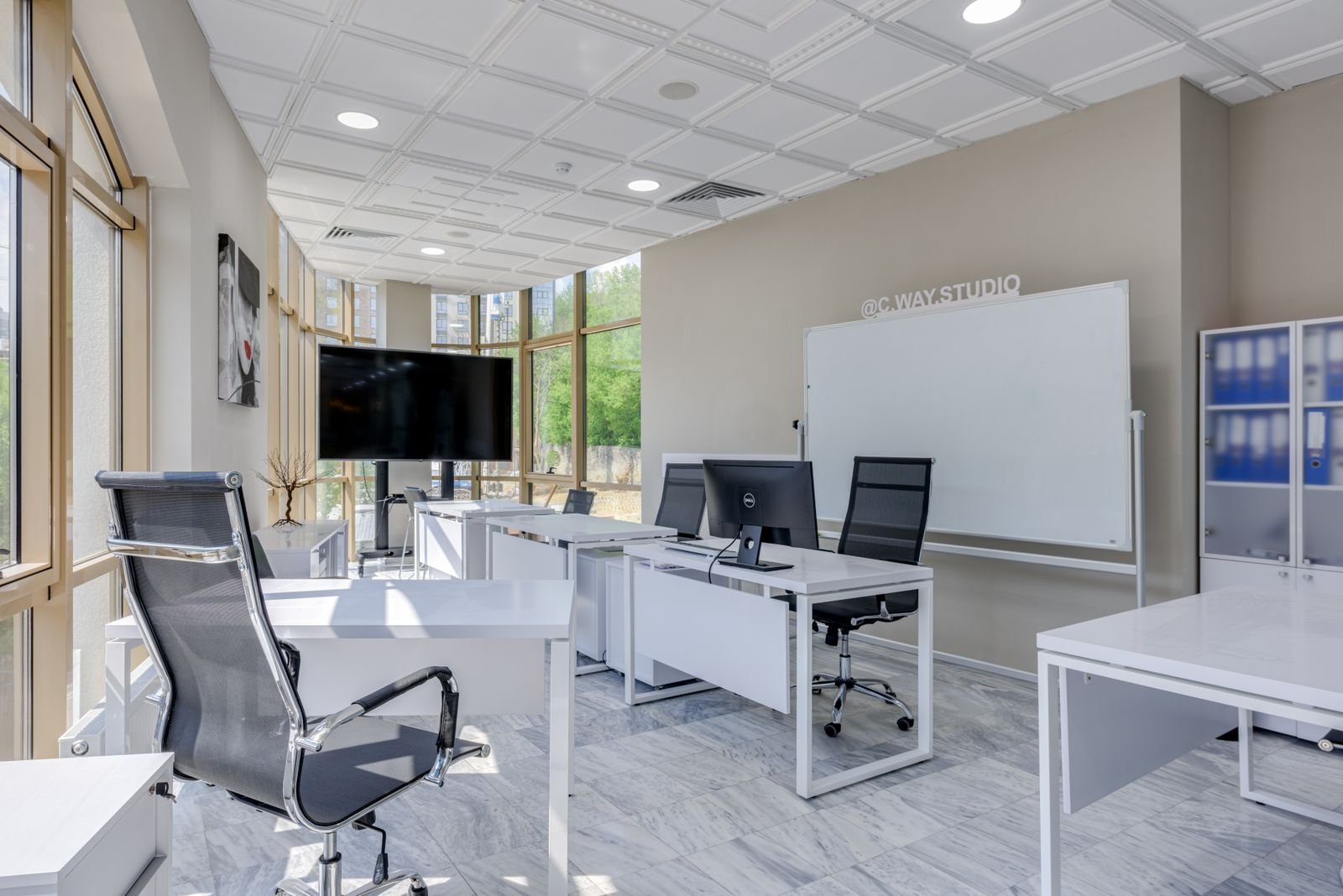
Owner-User or Investor?
The first decision is why you are buying. An owner-user occupies part or all of the building, so the alternative to buying is leasing similar space, and the return includes rent saved and equity built. An investor relies on tenants’ rent. Some buyers combine the two by occupying part of a building and leasing the rest, which can reduce occupancy cost but adds landlord responsibilities. Each approach affects how much you can pay, how you finance and how much risk you carry. See investment property analysis, step by step.
Verify the Income
- Match the rent roll to every lease and amendment, and to bank deposits.
- Confirm which operating costs, property taxes and insurance are recoverable and whether reconciliations are current.
- Build your own NOI with realistic vacancy, management and reserves. See how to calculate NOI.
- Request tenant estoppel certificates confirming rent, term, deposits and no defaults.
Read the Leases as a Set
- Expiry profile: several leases ending in the same year create concentrated rollover risk.
- Tenant quality: financial strength, importance of the location to the tenant’s business and any guarantee.
- Rent against market: above-market rents can fall on renewal, below-market rents may offer upside.
- Rights: renewal options, termination rights, expansion rights, rights of first offer, exclusive uses and assignment or subletting provisions.
- Concentration: reliance on one or two tenants.
Leasing Costs and Vacancy: The Office-Specific Risk
When space becomes vacant, the landlord typically faces tenant improvement allowances, leasing commissions, free rent and months of lost income before the space produces rent again. Buyers should estimate those costs for every lease that will expire during their expected hold and for any vacant space now. A hypothetical arithmetic illustration only: a tenant improvement allowance of $40 per square foot on a 10,000 square foot floor is $400,000 before commissions, free rent or downtime. Costs on this scale can outweigh a small discount in price, which is why buyers should model rollover explicitly. See how to value an office building in Ontario.
Building Quality and Competitiveness
- Location and access: proximity to transit, highways, amenities and workforce.
- Parking: supply and ratio, which matter especially for suburban buildings.
- Floor plates and layout: whether the space suits the tenants who lease it now and those who will lease it later.
- Systems and condition: HVAC, elevators, electrical, roof, life safety and accessibility, with a condition assessment for older buildings.
- Energy performance and amenities, which affect tenant demand and operating cost.
The tenants you have today may not be the tenants you need in five years, so consider what the building would need to compete for the next tenants.
Zoning, Planning and Redevelopment
Confirm zoning, permitted uses, parking requirements and any site-specific policies, and check whether a redevelopment or conversion might be possible under the municipal official plan and the Provincial Planning Statement, 2024. Value that depends on approvals should be treated with caution. See official plan vs zoning and how to determine highest and best use.
Environmental and Other Due Diligence
Lenders often require a Phase I environmental site assessment under CSA Z768, and older buildings may raise questions about building materials. Review title, survey, work orders, permits, insurance and property taxes. MPAC’s 2026 assessments still reflect January 1, 2016 values, so treat the assessed value as a tax figure, not a market value. Use the due diligence checklist to organize the work.
Financing and Costs
Lenders will apply their own view of NOI, usually with a more conservative vacancy and reserve assumption, and will test debt service coverage and loan-to-value. They may also focus on the rollover schedule and tenant quality. Read DSCR explained and how to finance a commercial property in Ontario. Budget for Ontario land transfer tax, paid by the purchaser: for non-residential property, 0.5% up to $55,000, 1.0% from $55,000 to $250,000, 1.5% from $250,000 to $400,000 and 2.0% above, plus Toronto’s municipal land transfer tax if applicable. HST may apply to the purchase under CRA guidance. Add legal, environmental, appraisal and lender costs, and initial capital and leasing costs.
Plan the Exit Before You Buy
Ask who would buy the building in five or ten years and why. An owner-user may buy a vacant building, an investor will pay for stable income, and a developer may pay for land value. A building whose only likely buyer is a developer, or one that relies on continued strong leasing, carries different exit risk from one with several potential buyers.
Common Mistakes
- Capitalizing current NOI without deducting rollover and leasing costs.
- Assuming vacant space will lease quickly at asking rents.
- Ignoring parking, layout and building systems that determine competitiveness.
- Relying on the seller’s rent roll without estoppels and lease review.
- Underestimating capital needs in older buildings.
- Paying for redevelopment potential without an approval path.
Frequently Asked Questions
Should I buy an office building to occupy or as an investment?
It depends on your objectives. Owner-users focus on occupancy cost and control; investors focus on income and risk. Some buyers combine both.
What is the biggest risk in an office purchase?
Lease rollover and vacancy, together with the cost of re-leasing space, since these can be large relative to annual rent.
What do lenders look at?
Verified NOI, debt service coverage, loan-to-value, tenant quality, lease terms and the condition of the building.
Do I need an environmental assessment?
Not always by law, but lenders and buyers commonly require one, particularly for older buildings.
How do I estimate leasing costs?
Get quotes or benchmarks from a leasing broker for tenant improvements, commissions and free rent, and model them by lease expiry.
Who pays land transfer tax?
The purchaser generally pays Ontario land transfer tax.
Conclusion
Buying an office building well means verifying the income, modelling rollover and leasing costs, assessing whether the building will remain competitive and financing it on realistic assumptions. Buyers who do this before they offer protect themselves from the most common office-specific surprises. Before acquiring a commercial property, investors should understand not only the asking price, but also the property’s income, leases, expenses, physical condition and future potential. CapRate.ca works with commercial property buyers and sellers across the GTA and Southern Ontario.
Sources and Further Reading
- Government of Ontario: Calculating land transfer tax
- Government of Ontario: Provincial Planning Statement, 2024
- Municipal Property Assessment Corporation: The Assessment Cycle
- Canada Revenue Agency: GST/HST Memorandum 19-4-1, Commercial Real Property Sales and Rentals
The figures in this article are hypothetical illustrations, not market data. This article is general information and is not legal, tax, accounting or financial advice.
CapRate.ca works with commercial property buyers and sellers across the GTA and Southern Ontario. Browse current commercial properties or speak with us about your criteria.
View Commercial Properties for Sale