Value-Add Apartment Investing in Ontario: Rent Rules, Renovations and Returns
Value-add apartment investing in Ontario means buying a building whose income can be increased by improving the suites, the operations or both, and then capturing that income growth as tenancies turn over. It can produce strong returns, but Ontario’s rent rules, tenant protections and construction costs mean that the outcome depends heavily on turnover, execution and financing. This guide is for investors evaluating value-add multi-residential buildings in the GTA and Southern Ontario. It explains the strategy, how to test whether a renovation pays back, how Ontario’s rent rules limit the pace of change, what risks to plan for, and how to underwrite and finance a value-add purchase. All numerical examples are hypothetical.
What “Value-Add” Means
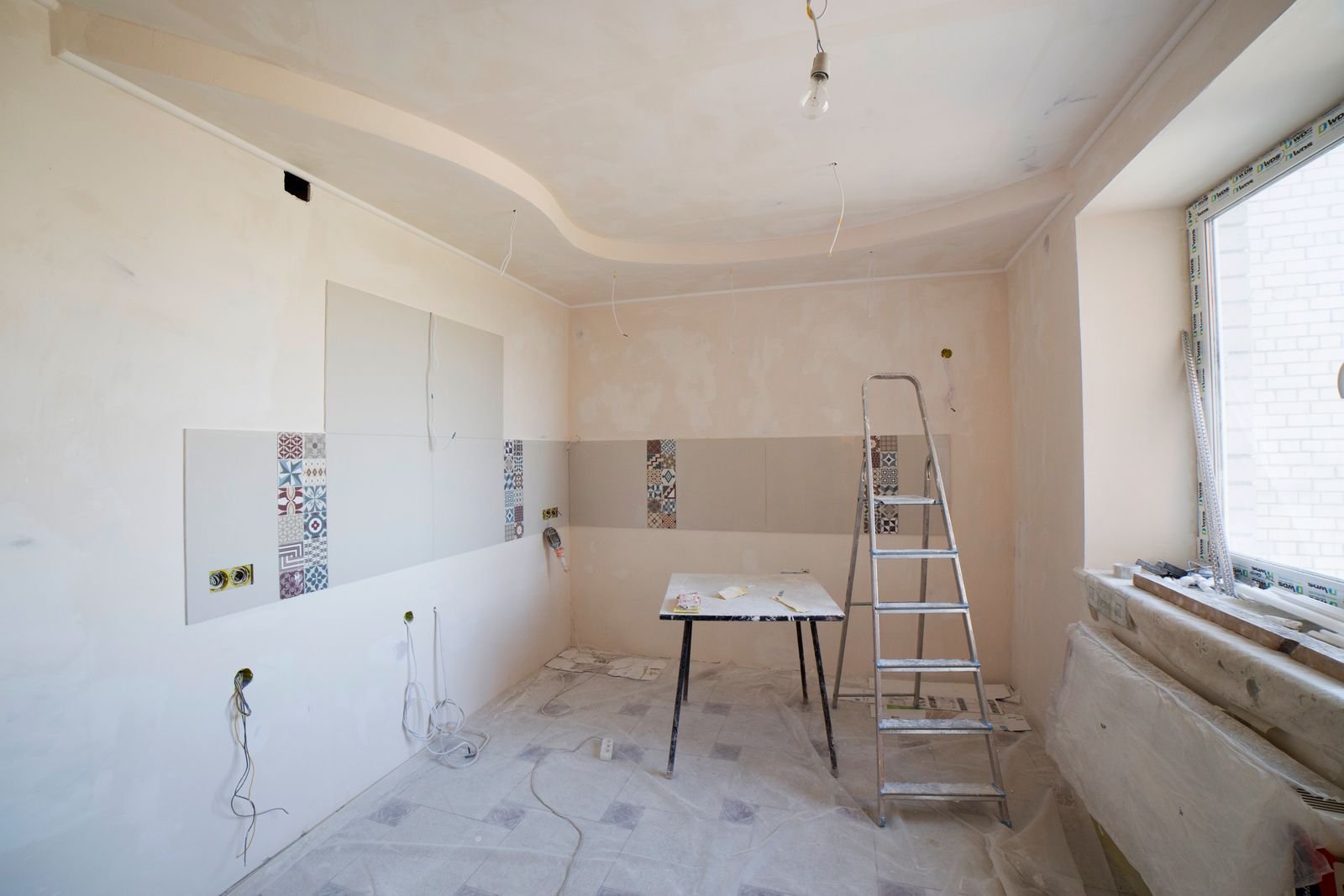
A value-add building typically has one or more of these features: rents below market, suites in dated condition, high expenses that can be reduced, underused space that can produce income, or management that can be improved. The investor pays a price that reflects the building’s current, lower income, invests capital and effort, and aims to sell or refinance at a higher value. The gap between current and stabilized income is the opportunity, and also the risk, because it is a forecast, not a fact.
How Ontario’s Rent Rules Shape the Strategy
- Continuing tenancies: annual rent increases are generally limited by the provincial guideline, except for exempt units, such as those in buildings first occupied for residential purposes after November 15, 2018.
- Turnover: when a tenancy ends and a new tenant moves in, the landlord and new tenant agree the rent. Value-add plans therefore depend on how fast suites turn over.
- Above-guideline increases: landlords may apply to the Landlord and Tenant Board for larger increases tied to eligible capital expenditures. The amounts are limited and staged, and approval is not guaranteed.
- Ending tenancies is regulated, including for renovations, and tenants may have rights and compensation entitlements. Investors should take legal advice before planning any renovation that requires vacant possession.
Because turnover is not controlled by the owner, a business plan that assumes rapid renovation of the whole building is a red flag. Model realistic turnover, and test a slower pace.
Does the Renovation Pay Back? A Hypothetical Illustration
The figures below are an arithmetic illustration only, not market data. Suppose a vacant suite is renovated for $30,000 and re-let at $300 more per month than it would have achieved without renovation.
| Item | Hypothetical figure |
|---|---|
| Renovation cost per suite | $30,000 |
| Rent lost during two months of work (at $1,800 per month) | $3,600 |
| Total investment per suite | $33,600 |
| Annual rent increase ($300 × 12) | $3,600 |
| Return on investment (annual increase ÷ total investment) | about 10.7% |
| Value created at an illustrative 5.0% cap rate ($3,600 ÷ 0.05) | $72,000 |
| Value created less investment | $38,400 |
The example shows why value-add can be attractive: a modest increase in rent, capitalized at a low rate, can exceed the cost. It also shows what can go wrong. If the rent uplift is $150 instead of $300, the annual increase is $1,800 and the return falls to about 5.4%. If the work takes longer, costs rise or the market rent is lower, the payback shrinks. The rate used to capitalize the increase must also be supported by the market at the time of sale, not assumed.
Ways to Add Value Beyond Renovations
- Expense reduction: energy retrofits, water conservation, better contracts and property tax review.
- Other income: parking, storage, laundry, telecom or rooftop leases.
- Management improvement: better collections, marketing and tenant retention.
- Reducing vacancy: leasing long-vacant suites by fixing condition or pricing issues.
- Additional suites or density, where zoning and building conditions allow. This requires planning and building approvals.
Risks to Plan For
- Turnover risk: suites may not turn over as expected, delaying income growth.
- Construction risk: cost overruns, delays, hidden conditions and permit issues.
- Market rent risk: rents achieved after renovation may be lower than projected.
- Regulatory and legal risk: tenant rights, Landlord and Tenant Board processes and changes in rules.
- Financing risk: interest rates, lender requirements and refinancing at the end of the term.
- Capital needs beyond suites: roof, envelope, boilers, elevators and life-safety systems that must be funded before or alongside suite renovations.
Underwriting a Value-Add Purchase
- Verify current income: reconcile the rent roll to leases and bank deposits. See rent roll analysis for apartment investors.
- Assess building condition with an engineer’s report and budget for base-building capital first.
- Model turnover using historical turnover rates, and test slower assumptions.
- Estimate renovation costs from quotes and add a contingency.
- Estimate post-renovation rents from comparable leases of renovated suites.
- Model financing with the going-in NOI, since lenders will size the loan on current income. See DSCR explained.
- Stress-test rents, costs, timing, interest rates and exit cap rates. See investment property analysis, step by step.
Financing Considerations
Lenders typically underwrite on in-place income, so a value-add plan may require more equity or a structure that funds renovations separately, and terms will depend on the lender and the borrower. Financing programs may be available for eligible rental housing, and their conditions change, so confirm current options with a lender. Budget for Ontario land transfer tax and other closing costs, and see how to finance a commercial property in Ontario.
Common Mistakes
- Assuming rapid turnover or the ability to raise all rents to market.
- Underestimating renovation cost and time.
- Ignoring base-building capital needs while budgeting suite upgrades.
- Using an unsupported cap rate to value the improved income.
- Financing so tightly that a delay threatens the loan.
- Not taking legal advice on tenant rights before planning renovations.
Frequently Asked Questions
What is a value-add apartment building?
A building with below-market rents, dated suites or operational inefficiencies that an investor plans to improve to increase income and value.
How fast can I raise rents in Ontario?
For continuing tenants, generally by the annual guideline unless the unit is exempt or an above-guideline increase is approved. Rents reset on turnover.
Can I renovate occupied suites?
Some work can be done with tenants in place, but work requiring vacant possession is regulated and tenant rights apply. Take legal advice.
What is an above-guideline increase?
A rent increase larger than the provincial guideline that a landlord can apply to the Landlord and Tenant Board for in certain situations, such as eligible capital expenditures.
How much contingency should I include?
It depends on the scope and age of the building. Use quotes and an engineer’s review, and add a meaningful contingency for hidden conditions.
Is value-add riskier than buying a stabilized building?
Generally yes, because part of the return depends on execution and turnover, so it needs stronger underwriting and more cushion.
Conclusion
Value-add apartment investing can create value, but in Ontario the pace of income growth depends on turnover, regulation and execution as much as on the renovation budget. Investors who verify the income, budget for base-building capital, model realistic turnover and stress-test the numbers are better placed to succeed. Before acquiring a commercial property, investors should understand not only the asking price, but also the property’s income, leases, expenses, physical condition and future potential. CapRate.ca works with commercial property buyers and sellers across the GTA and Southern Ontario.
Sources and Further Reading
- Government of Ontario: Residential rent increases
- Landlord and Tenant Board: Applications for a rent increase above the guideline
- Government of Ontario: Residential Tenancies Act, 2006
- Government of Ontario: Calculating land transfer tax
The figures in this article are hypothetical illustrations, not market data or investment advice. This article is general information and is not legal, tax, accounting or financial advice. Consult qualified professionals about your specific property.
CapRate.ca works with commercial property buyers and sellers across the GTA and Southern Ontario. Browse current apartment buildings or speak with us about your criteria.
View Apartment Buildings for Sale