Gas Station Real Estate vs Business Value in Ontario: How the Split Affects a Sale
Gas station real estate value and gas station business value are two different numbers, and one of the most common reasons fuel property deals are mispriced is that the two are blended into a single multiple. The real estate is worth what the land, canopy and buildings would command from a buyer of that site, taking account of environmental condition and alternative uses. The business is worth what a buyer will pay for its normalized earnings from fuel, convenience and other income, subject to the supply agreement it operates under. This guide is for owners considering a sale and for buyers evaluating a purchase in the GTA and Southern Ontario. It explains how each value is built, when they diverge, why the split matters for financing, tax and structure, and how a sale-leaseback or lease can separate them. Numerical examples are hypothetical.
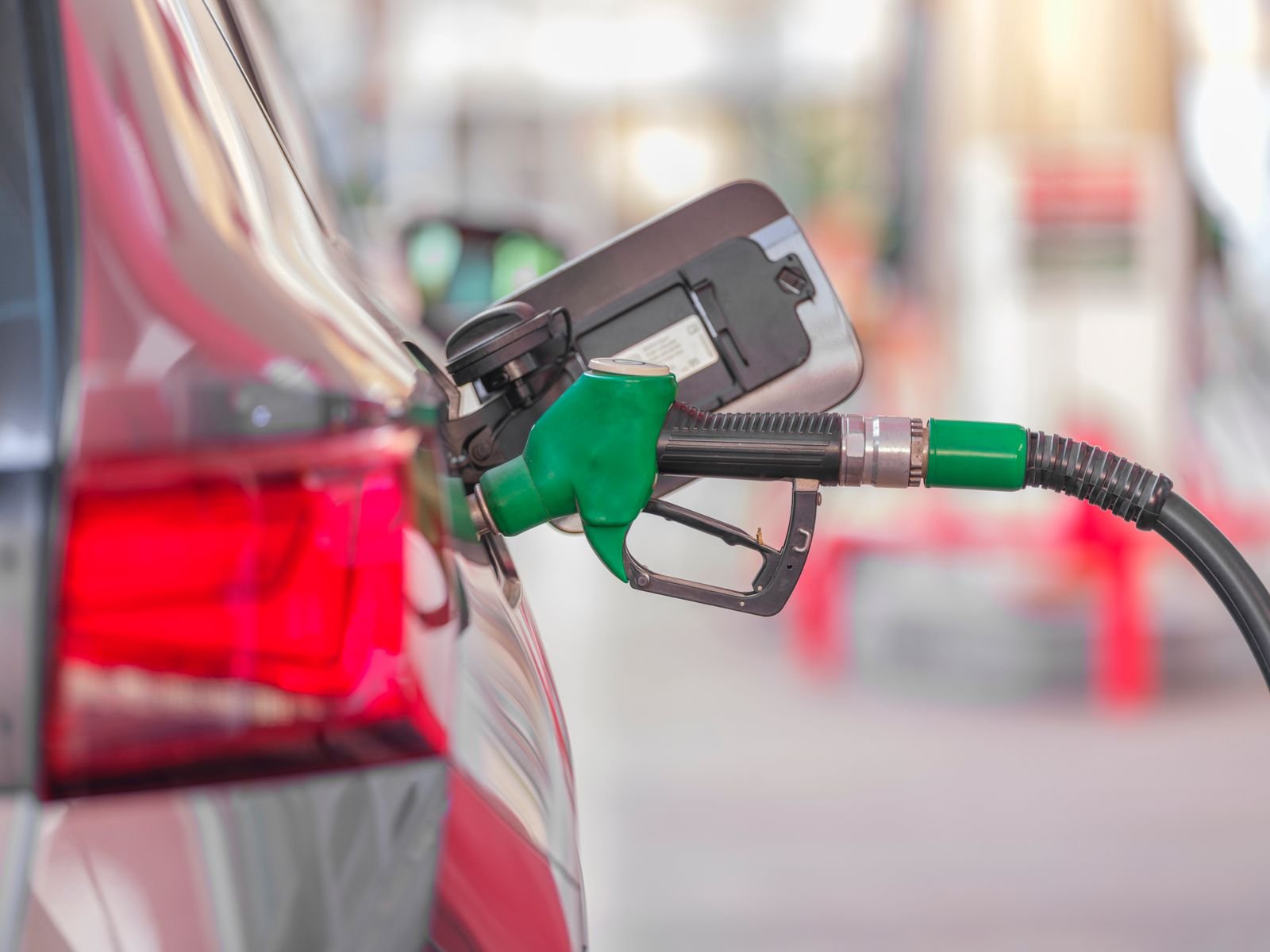
What Counts as the Real Estate
The real estate component is the land, the building that houses the convenience store or kiosk, the canopy and site improvements, and often the underground tanks, piping and dispensers, depending on how they are owned. Its value depends on location, traffic exposure, corner position and access, lot size, zoning and servicing, and on what the site could be used for if it were no longer a fuel station. Environmental condition is central: a clean site is a more flexible and more financeable asset than one with known contamination.
What Counts as the Business
The business component is the operating enterprise: fuel sales and margins, convenience store sales and margins, lottery and other commissions, ancillary income such as a car wash, the customer base, the brand and supply arrangements, permits and the operating know-how. Its value rests on normalized earnings, meaning reported results adjusted for owner-specific items, and on the terms of the fuel supply agreement that shape margins and flexibility. See how to value a gas station in Ontario.
When the Two Values Diverge
- Strong site, weak operation: a well-located corner with a tired or underperforming station may be worth more as land, or for redevelopment, than the business suggests.
- Strong operation, ordinary site: a busy station on a modest lot may be worth more as a going concern than its land value, and much of that value depends on the current operation and supply terms.
- Environmental issues: contamination can reduce or eliminate real estate value while the business continues to earn, or the reverse if remediation is required to keep operating.
- Leased site: if the operator leases the land, the business value depends on the lease term, rent and renewal rights, and there may be little real estate value for the operator to sell.
Identifying which case applies to your property tells you who your likely buyers are and how to present the sale.
Who Buys What
- Operators and multi-site groups buy the business and typically the real estate together.
- Real estate investors may buy the site and lease it to an operator, valuing the rent and lease strength like other net-leased property.
- Developers and land buyers may value the site for another use, subject to zoning, planning approvals and environmental clean-up.
A Hypothetical Illustration of the Split
The figures below are an arithmetic illustration only and are not market data. Suppose an owner-operated station has normalized earnings of $210,000 a year before any rent, after paying the operator a market wage, and that a third-party operator would pay a market net rent of $150,000 a year for the site. That leaves $60,000 a year as the return to the operating business after it pays a fair rent.
| Approach | Hypothetical income | Illustrative rate | Indicated value |
|---|---|---|---|
| Real estate valued on net lease rent | $150,000 | 7.0% | about $2,143,000 |
| Business valued on earnings after paying market rent | $60,000 | 25.0% (equivalent to a 4x multiple) | $240,000 |
| Combined going concern (illustrative) | about $2,383,000 |
The rates and the resulting split are made up to show the mechanics. The lesson is that a real estate income stream and a business earnings stream carry different risk and are capitalized differently, and that each should be supported by comparable transactions for that type of asset. Splitting the earnings this way also lets a buyer test whether the business still leaves a reasonable profit for the operator after paying a market rent for the site, which is a useful check on whether the price is supportable.
Why the Split Matters for Financing
Lenders look at real estate and business assets differently. Real estate can usually support more conservative lending against its value, while the goodwill and equipment of a business are viewed as riskier, and environmental condition affects both. How the purchase price is allocated among land, building, tanks and equipment, inventory and goodwill can affect how much a buyer can borrow and on what terms. See how to finance a commercial property in Ontario.
Why the Split Matters for Tax and Structure
Whether the transaction is a sale of assets or shares, and how the price is allocated, can have income tax and HST consequences for both parties. HST generally applies to the sale of commercial real property, and special rules may apply when a business is sold as a going concern; the CRA’s memorandum on commercial real property sales explains the general framework. Plan the allocation with your accountant and lawyer before signing an offer.
Environmental and Regulatory Points
Fuel storage and dispensing make environmental review central to any transaction. Buyers and lenders usually require a Phase I environmental site assessment prepared to CSA Z768, and possibly a Phase II. Fuel facilities are regulated in Ontario by the Technical Standards and Safety Authority (TSSA), and buyers will ask for evidence of registration and inspection history. If the site is to be redeveloped for a more sensitive use, Ontario’s Record of Site Condition framework under O. Reg. 153/04 can apply. See gas station environmental due diligence.
Separating the Two: Sale-Leaseback and Leases
Some owners separate the real estate from the operating business by selling the real estate to an investor and leasing it back, or by leasing the site to an operator. This can release capital, attract different buyers and clarify each value, but it creates a lease with its own term, rent, renewal, environmental allocation and default provisions, and it has tax and financing implications. Review it with your lawyer and accountant before proceeding.
Common Mistakes
- Pricing the whole property on a single multiple without separating land from business.
- Ignoring the value of the land under an alternative use.
- Presenting unnormalized earnings or unsupported add-backs.
- Overlooking supply agreement terms that reduce margin or restrict who can buy.
- Leaving the allocation of price among assets until after the offer.
- Failing to assess environmental condition before setting a price.
Frequently Asked Questions
Is a gas station sold as real estate or as a business?
Either or both. Many are sold as an operating business with its real estate, while some are sold as real estate leased to an operator.
How do I know if my land is worth more than the business?
Compare the site’s value for other uses, supported by zoning and comparable land sales, with the value of the station’s normalized earnings.
What is a sale-leaseback?
A transaction in which the owner sells the real estate to an investor and leases it back, separating the property investment from the operating business.
Do lenders finance gas stations?
Often yes, but lenders view real estate and business assets separately, and environmental condition is a key factor.
Does the price allocation affect taxes?
It can. The allocation among land, building, equipment and goodwill may have income tax and HST consequences, so plan it with your accountant.
Who regulates gas stations in Ontario?
Fuel storage and dispensing facilities are regulated by the Technical Standards and Safety Authority.
Conclusion
A gas station contains a real estate value and a business value, and the strongest transactions identify both, show how each is supported and propose a sensible split. Owners who separate the two before going to market can reach the right buyers and avoid late disputes. If you are considering selling a gas station in the GTA or Southern Ontario, a property-specific valuation and market strategy can help you understand your options before entering the market.
Sources and Further Reading
- Technical Standards and Safety Authority: Fuel and oil safety
- Government of Ontario: O. Reg. 153/04, Records of Site Condition
- Canada Revenue Agency: GST/HST Memorandum 19-4-1, Commercial Real Property Sales and Rentals
The figures in the table are hypothetical illustrations, not market data or an appraisal. This article is general information and is not legal, tax, accounting or environmental advice. Consult qualified professionals about your specific property and transaction.
Considering selling a gas station in the GTA or Southern Ontario? CapRate.ca can help you evaluate the property’s market position and develop a strategy for the sale.
Selling a Gas Station in Ontario