How to Buy an Industrial Property in Ontario: A Buyer’s Guide
To buy an industrial property in Ontario well, a buyer should define the operational requirements first, underwrite the income or occupancy savings honestly, and test the building’s physical, environmental and zoning fit before waiving conditions. Industrial real estate is functional: clear height, loading, power, site coverage and location determine whether a building works for a given user and what it will rent or resell for. This guide is for owner-users acquiring space for their own operations and for investors buying leased buildings in the GTA, Hamilton, Niagara and the rest of Southern Ontario. It covers what to analyze, how to finance and structure the purchase, Ontario-specific costs and the mistakes buyers most often make.
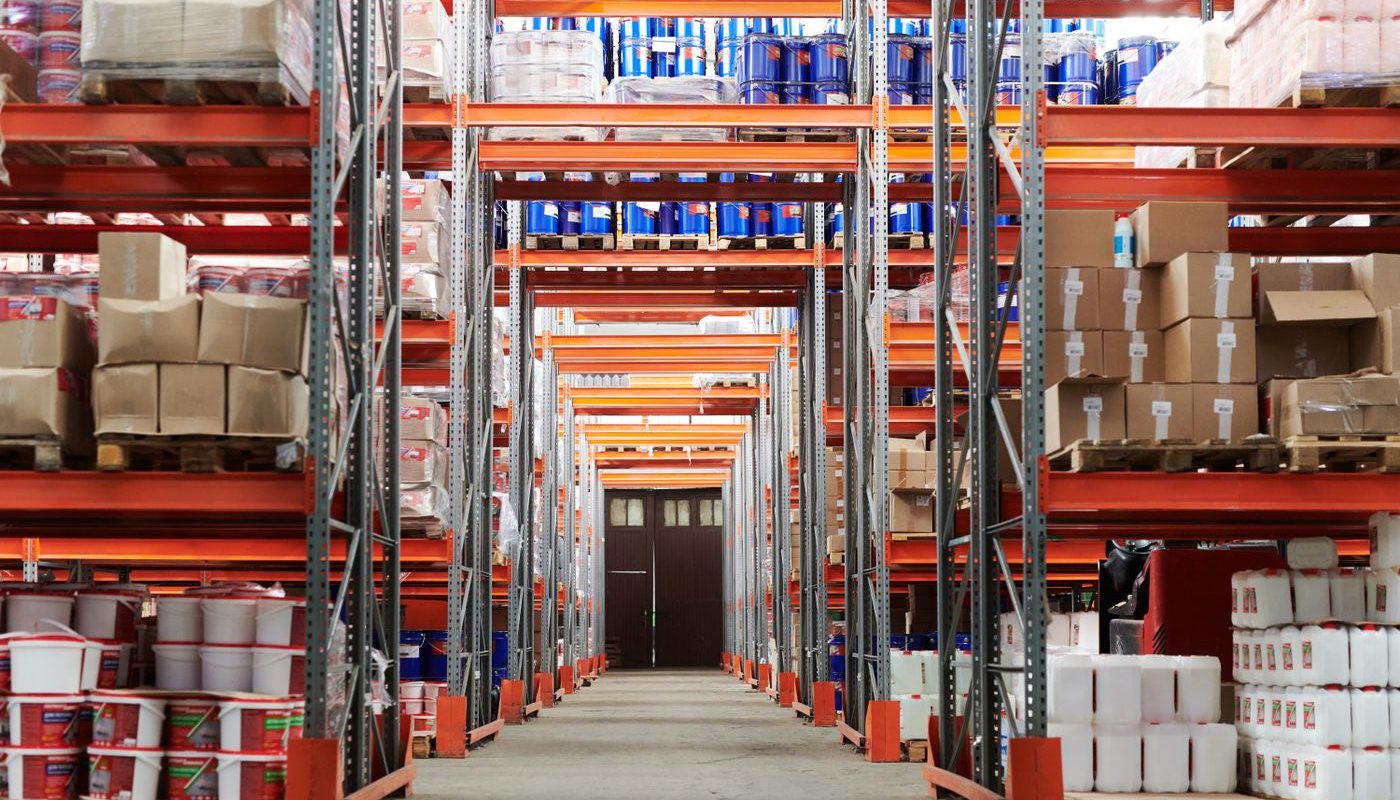
Decide Whether You Are an Owner-User or an Investor
The two buyer types analyze the same building differently. An owner-user compares the cost of owning, including mortgage, taxes, insurance, maintenance and the capital tied up, with the cost of leasing equivalent space, and weighs the value of control, stability and eventual equity. An investor underwrites net operating income (NOI), lease terms and the return available on the price, and usually plans an exit. An owner-user might pay more than an investor because the building’s suitability to their operation has value beyond rental income. Be clear about which you are before pricing.
Define the Functional Requirements
Write down what the operation actually needs, then test buildings against it.
- Size and layout: building area, office ratio, column spacing and floor plate.
- Clear height and racking: usable vertical space beneath the lowest structural obstruction.
- Loading: dock-level and drive-in doors, truck court depth and trailer parking.
- Power and services: electrical capacity, gas, water and sewer capacity, and any needs for compressed air or process utilities.
- Floor load and condition, especially for heavy equipment.
- Fire protection: sprinkler design, which can limit what may be stored.
- Site and expansion: coverage ratio, yard space, room to expand, and outside storage.
- Location: highway access, proximity to suppliers, customers and labour.
A building that is cheap but functionally wrong is expensive. Retrofitting height, doors or power can cost more than the price difference.
Underwrite the Numbers
For a leased building, rebuild NOI from the leases and actual expenses, as described in our guide on how to calculate NOI. Compare in-place rent with executed market leases, not asking rents, and understand rollover: when leases expire, what downtime, inducements and capital costs will follow. Apply a cap rate supported by comparable sales; see what a cap rate is and how to value an industrial building for the valuation approaches. For an owner-user, model the total occupancy cost against leasing and stress the assumptions for interest rates and future expansion.
Financing
Lenders underwrite industrial purchases on the property’s income or the borrower’s operating business, the building’s quality and location, and the borrower’s financial strength. Expect an appraisal, environmental report and often a building condition assessment. Owner-users may find that lenders focus on the business’s cash flow as well as the real estate. Interest rate, amortization and the equity required change with market conditions, so speak with a lender or mortgage professional early. Our overview of financing a commercial property in Ontario explains the process, and the CapRate.ca mortgage page outlines financing support. Build financing conditions into the offer with enough time for the lender’s reports.
Environmental Due Diligence
Industrial sites carry a higher likelihood of historic contamination than most property types. A Phase I environmental site assessment is a standard first step and is commonly required by lenders. In Ontario, Phase I assessments are typically completed to the CSA Z768 standard, or to Ontario Regulation 153/04 where the work supports a Record of Site Condition. A Phase II, involving sampling, follows if the Phase I identifies areas of concern. Record of Site Condition filing is required before a property’s use changes to a more sensitive use, such as residential. Environmental findings can reduce the price, add conditions or end a deal, so budget the time and cost. See our due diligence checklist for the full review.
Zoning and Planning
Confirm in writing that the zoning permits your intended use, including outside storage, truck movements, hours of operation and any manufacturing processes. Check the Official Plan designation, especially if the site sits in a protected employment area, and confirm whether the existing use is permitted, legal non-conforming or unauthorized. If you intend to expand, ask about site coverage limits, parking requirements, development charges and site plan approval. Ontario’s Provincial Planning Statement, 2024, in effect since October 20, 2024, sets the provincial policy framework municipalities apply, and a local planner can advise how it affects a specific site.
Physical Condition
A building condition assessment should cover the roof, structure and slab, loading doors and docks, HVAC and make-up air, electrical service, sprinklers, paving and drainage. Ask for estimated remaining life and replacement costs of major systems. Roof and paving replacement can be large numbers on an industrial building, so treat them as price adjustments, not surprises after closing.
Ontario Acquisition Costs
- Land transfer tax: for non-residential property, 0.5% up to $55,000, 1.0% from $55,000 to $250,000, 1.5% from $250,000 to $400,000 and 2.0% above $400,000; in the City of Toronto a municipal land transfer tax applies on the same brackets in addition.
- HST: the sale of commercial real property is generally taxable. If the purchaser is a GST/HST registrant, it typically self-assesses the tax; if not, the vendor collects it. Confirm with your accountant and lawyer, including whether any election applies.
- Realty taxes: MPAC has stated that 2026 assessments continue to be based on January 1, 2016 values. A future reassessment could change taxes, so consider how recoverable they are under any leases.
- Professional and lender costs: legal fees, appraisal, environmental and building reports.
Common Mistakes When Buying Industrial Property
- Buying on square footage alone. Clear height, loading and power decide whether the building works.
- Assuming zoning allows your use. Verify in writing.
- Skipping the Phase I. The cost is small compared to the exposure.
- Underestimating capital costs. Roofs, paving and systems can be significant.
- Not planning for growth. A building with no room to expand may not serve you in five years.
- Paying for in-place rent that will not survive renewal. Check rents against market.
- Letting conditions lapse. Track every condition date with your lawyer.
Frequently Asked Questions
What should I look for when buying an industrial building?
Functional fit (clear height, loading, power, layout), location, zoning, condition, environmental history and, if leased, the quality and term of the leases.
Should I buy or lease industrial space?
It depends on your capital, growth plans and the local rent-versus-own economics. Owning provides control and equity but ties up capital and adds responsibility for the building.
Is a Phase I environmental assessment required?
Not by law for every purchase, but lenders commonly require one and it is prudent, especially for industrial, automotive or fuel-related history.
What is an industrial condo?
A unit in a building or complex owned under a condominium structure, with shared elements and a condominium corporation. It has its own considerations, including fees, rules and financing, and should be reviewed by your lawyer.
Can I get financing for an owner-occupied industrial property?
Often yes. Lenders assess the property and the business’s financial strength. Terms vary with market conditions and your profile.
How much is the land transfer tax on an industrial purchase in Ontario?
It follows the non-residential brackets of 0.5%, 1.0%, 1.5% and 2.0% described above, with an additional municipal tax in Toronto. Your lawyer will calculate the exact figure.
Conclusion
Successful industrial purchases start with a clear list of what the building must do, then test the price against income or occupancy savings, and close only after the physical, environmental and zoning questions are answered. Before acquiring a commercial property, investors and owner-users should understand not only the asking price, but also the property’s income, leases, expenses, physical condition and future potential. CapRate.ca works with commercial property buyers and sellers across the GTA and Southern Ontario, and you can browse industrial buildings for sale or read our guide to buying commercial property in Ontario.
Sources and Further Reading
- Government of Ontario: Calculating land transfer tax
- City of Toronto: Municipal land transfer tax rates and fees
- Canada Revenue Agency: GST/HST Memorandum 19-4-1, Commercial Real Property – Sales and Rentals
- Government of Ontario: Ontario Regulation 153/04, Records of Site Condition
- Government of Ontario: Provincial Planning Statement, 2024
- Municipal Property Assessment Corporation: The Assessment Cycle
This article is general information and is not legal, tax, accounting, environmental or financial advice. Consult qualified professionals before making a purchase decision.
CapRate.ca works with commercial property buyers and sellers across the GTA and Southern Ontario. Browse current industrial buildings or speak with us about your requirements.
View Industrial Buildings for Sale