How to Buy an Apartment Building in Ontario: Underwriting, Rent Control & Financing
To buy an apartment building in Ontario, an investor should verify the rent roll against the leases and bank records, understand exactly how rent control applies to each suite, commission a realistic capital and condition review, and confirm that financing will support the price. Multi-residential buildings offer diversified income from many tenancies, but they are also governed by tenancy law that limits rent growth on existing tenants and by physical systems that can require large capital spending. This guide is for investors and owner-operators considering small walk-ups, mid-sized purpose-built rentals and larger apartment buildings in the GTA and Southern Ontario. It covers what to analyze, how Ontario’s rent rules affect underwriting, financing options, acquisition costs and common mistakes.
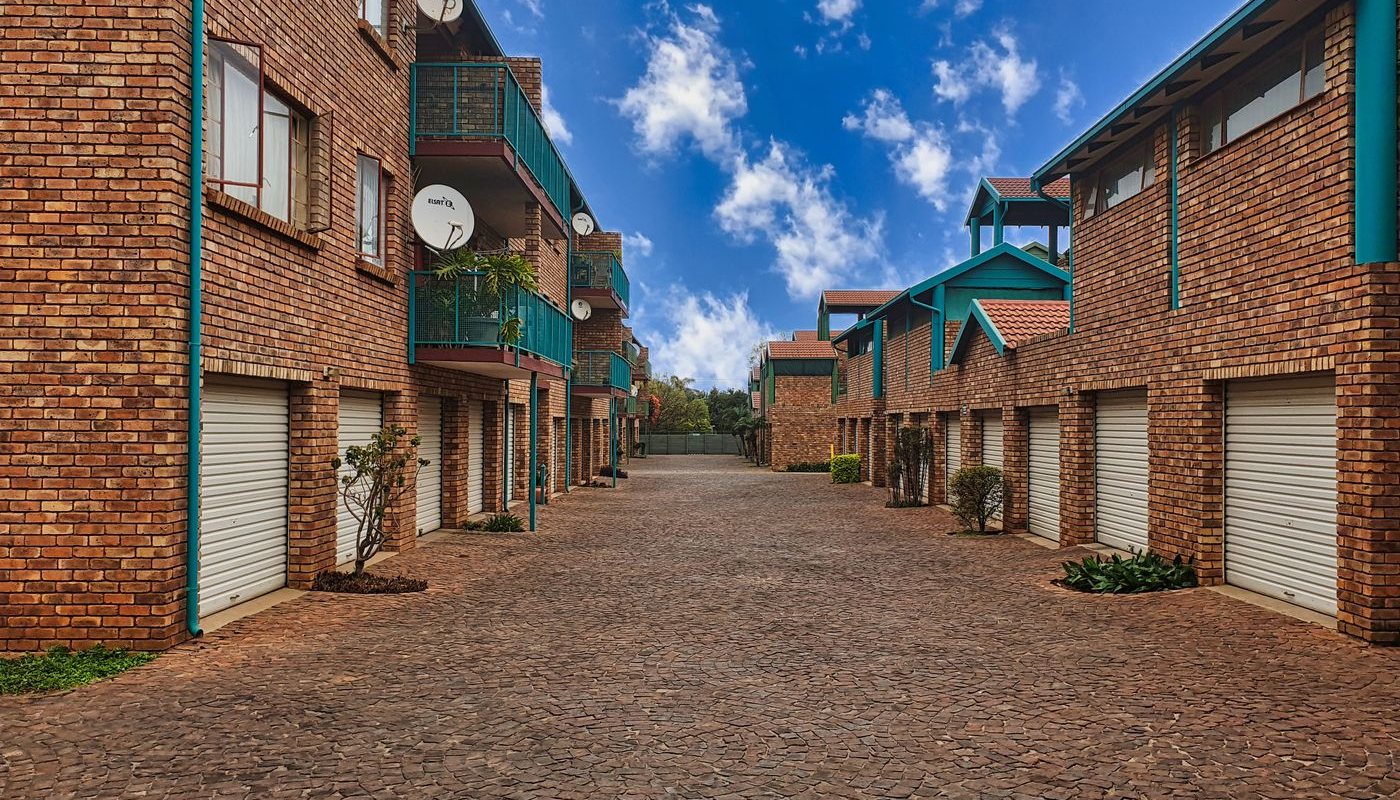
Understand What You Are Buying
An apartment building is a collection of tenancies with different rents, histories and legal statuses. Before valuing the building, understand:
- Suite mix and size: bachelor, one-, two- and three-bedroom units, and how they compare with demand in the area.
- Tenancy profile: length of tenancy, turnover history, arrears and any pending matters before the Landlord and Tenant Board.
- Utilities: who pays heat, hydro and water, and whether suites are individually metered. Landlord-paid utilities are a major expense and an area where costs can rise.
- Ancillary income: parking, laundry, storage and any commercial units.
- Building age and systems: the remaining life of roofs, windows, boilers, elevators, plumbing, electrical and balconies.
How Ontario Rent Control Affects Underwriting
Under Ontario’s rent control rules, most tenants’ rent can only be increased each year by up to the rent increase guideline, unless the Landlord and Tenant Board approves a greater increase. According to the Government of Ontario, the guideline was 2.1% for 2026 and is 1.9% for 2027. Units first occupied for residential purposes after November 15, 2018, including new buildings and additions, are exempt from rent control, and the landlord must be able to prove the first-occupancy date if it is disputed.
For underwriting, the consequence is that a gap between in-place and market rent closes slowly while a tenant stays, and faster when a suite turns over. Do not assume you can move rents to market on a schedule that the law does not allow. Model rent growth by suite: guideline increases for existing tenancies, market rent on turnover, and a realistic turnover rate. Check what increases were actually given and documented in recent years. Where a seller relies on above-guideline increases for capital work, understand the status, conditions and whether they transfer.
Underwrite the Numbers
Rebuild net operating income (NOI) from actual records, following how to calculate NOI. Reconcile the rent roll to the leases and to bank deposits. Use actual utility bills and tax bills, an honest vacancy and turnover allowance, and a market management fee even if the seller self-manages. Include a capital reserve appropriate to the building’s age. Then apply a market cap rate supported by comparable sales and cross-check with price per suite. Our guide to valuing an apartment building explains the approaches in detail.
Physical and Environmental Due Diligence
Apartment buildings are capital-intensive. A building condition assessment by a qualified consultant should estimate the remaining life and replacement cost of major systems. In older buildings, ask about designated substances and hazardous materials that may be present, and about fire-safety compliance, including outstanding orders. A Phase I environmental site assessment, typically completed to the CSA Z768 standard or to Ontario Regulation 153/04 where it supports a Record of Site Condition, is commonly required by lenders. Also review parking structures, balconies and building envelope, which can be significant costs. See our due diligence checklist for the full list.
Financing an Apartment Purchase
Lenders assess the building’s income, the borrower’s strength and the property’s condition. Conventional commercial mortgages are common. Some buyers use CMHC mortgage loan insurance for rental housing. CMHC’s MLI Select program, for example, requires a minimum of five units, limits non-residential space to 30% of gross floor area and of total lending value, and connects reduced premiums and longer amortization to commitments on affordability, accessibility and climate. Program criteria and documentation requirements are detailed and can affect timing, so involve your lender or mortgage professional early. See how to finance a commercial property in Ontario and the CapRate.ca mortgage page.
Lenders test the debt service coverage ratio (DSCR), the ratio of NOI to annual debt payments, so the price you can pay depends on both the building’s income and the financing terms you can obtain. Build financing conditions into your offer with enough time for appraisals and reports.
Ontario Acquisition Costs
- Land transfer tax: under the Government of Ontario’s published rates, the additional 2.5% bracket above $2,000,000 applies only to land with one or two single-family residences, so an apartment building is taxed at 0.5% up to $55,000, 1.0% from $55,000 to $250,000, 1.5% from $250,000 to $400,000 and 2.0% above $400,000. Your lawyer will confirm the calculation. The City of Toronto applies a municipal land transfer tax as well.
- HST: according to the Canada Revenue Agency, the sale of a previously occupied residential complex by a non-builder is generally exempt from GST/HST, with exceptions where the vendor claimed input tax credits on the acquisition or on improvements. Mixed-use buildings with commercial space may involve different treatment for that portion. Confirm with your accountant and lawyer.
- Realty taxes: confirm the tax class and history, and consider how a future reassessment could affect costs. MPAC has stated that 2026 assessments continue to be based on January 1, 2016 values.
- Professional and lender costs: legal, appraisal, environmental and building reports, and any CMHC premiums and fees.
Common Mistakes When Buying an Apartment Building
- Underwriting rent growth the law does not permit. Rent control limits increases on existing tenancies.
- Trusting the rent roll without the leases and bank records. Reconcile all three.
- Underestimating capital needs. Older systems can be very costly.
- Ignoring utilities. Landlord-paid utilities can erode NOI.
- Assuming financing terms. Confirm lender and program requirements early.
- Overlooking tenant issues. Arrears, disputes and Board matters affect income and management workload.
- Letting conditions lapse. Track every date with your lawyer.
Frequently Asked Questions
How do I evaluate an apartment building for purchase?
Verify the rent roll, rebuild NOI, model rent growth under rent control, assess capital needs and environmental status, and confirm financing.
Can I raise rents to market after buying?
For existing tenants, increases are generally limited to the guideline unless the Board approves more, or the unit is exempt. On turnover, rent can generally be set to market for units subject to rent control.
What is the rent increase guideline?
According to the Government of Ontario, it is 2.1% for 2026 and 1.9% for 2027. Confirm the current figure before relying on it.
What is CMHC MLI Select?
A CMHC mortgage loan insurance program for multi-unit rental housing with a minimum of five units, offering reduced premiums and longer amortization tied to affordability, accessibility and climate commitments, subject to eligibility criteria.
Is HST charged on an apartment building purchase?
Generally a used residential rental complex sold by a non-builder is exempt, but there are exceptions. Confirm with your accountant and lawyer.
How many units do I need to qualify for commercial financing?
Lenders set their own thresholds and products vary. CMHC’s MLI Select requires at least five units. Speak with a lender about your specific building.
Conclusion
Apartment investing rewards careful underwriting: verified income, realistic treatment of rent control, honest capital planning and financing that fits. Before acquiring a commercial property, investors should understand not only the asking price, but also the property’s income, leases, expenses, physical condition and future potential. CapRate.ca works with commercial property buyers and sellers across the GTA and Southern Ontario, and you can browse apartment buildings for sale in Ontario.
Sources and Further Reading
- Government of Ontario: Residential rent increases
- Government of Ontario: Calculating land transfer tax
- Canada Revenue Agency: GST/HST Memorandum 19-2-1, Residential Real Property – Sales
- CMHC: MLI Select
- Municipal Property Assessment Corporation: The Assessment Cycle
This article is general information and is not legal, tax, accounting or financial advice. Tenancy law and programs change; consult qualified professionals before making a purchase decision.
CapRate.ca works with commercial property buyers and sellers across the GTA and Southern Ontario. Browse current apartment buildings or speak with us about your criteria.
View Apartment Buildings for Sale