How to Sell Commercial Land in Ontario: Zoning, Approvals and Buyer Strategy
To sell commercial land in Ontario, an owner needs to establish what the land can lawfully be used for, what approvals it would need for a higher or different use, what servicing and environmental conditions attach to it, and who is most likely to pay for those possibilities. Land has no rent roll or net operating income, so buyers price it by asking what can be built, how long approvals will take, what the development will cost and what is left over for the land, a method known as residual land value. This guide is for owners of vacant commercial, industrial, mixed-use and development land, and of underused sites, in the GTA and Southern Ontario. It explains how buyers value land, how zoning and planning status affect price, what to prepare, how to market the site, and the Ontario tax and closing points to plan for.
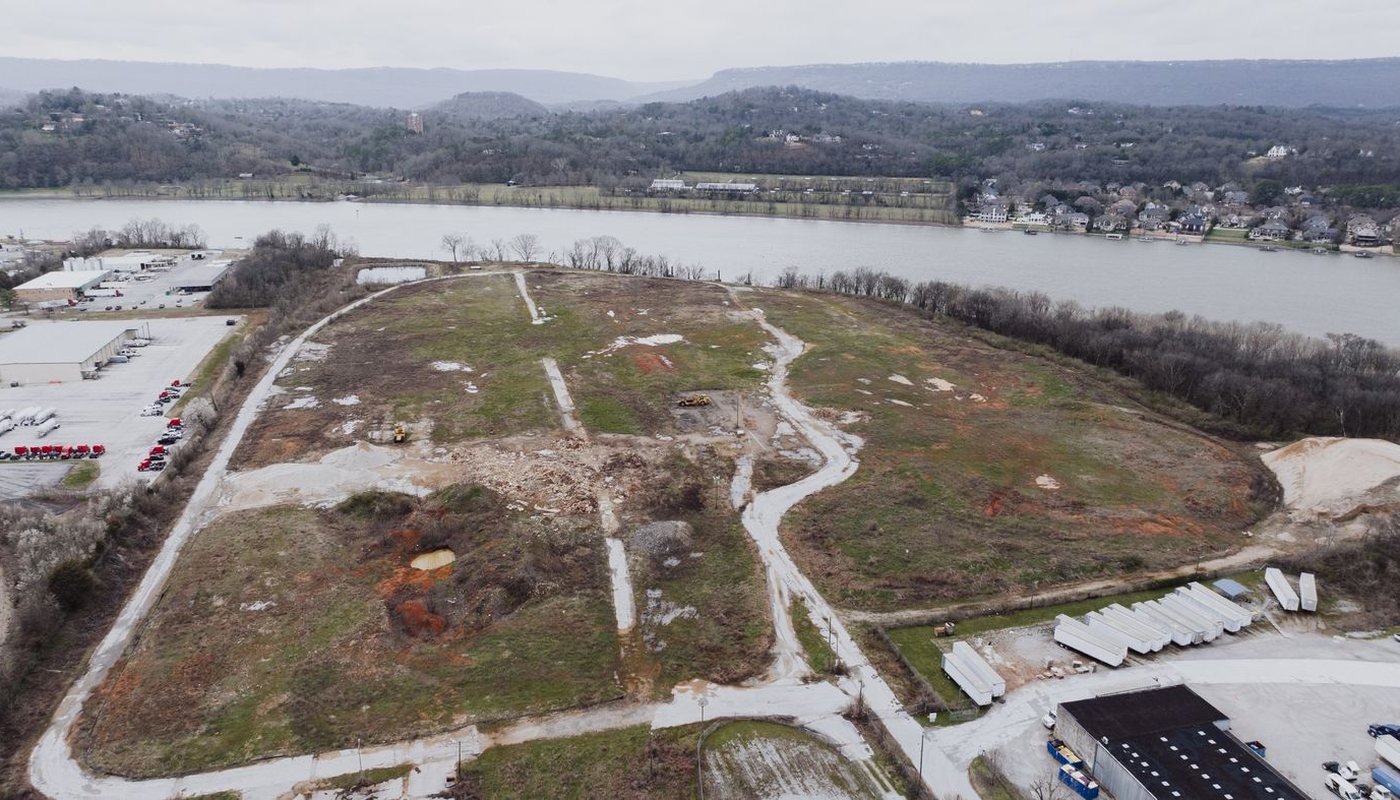
How Buyers Value Land
Developers and land buyers work backwards. They estimate what the completed project would be worth, then subtract hard construction costs, soft costs (design, permits, financing, marketing), development charges and other levies, a return for risk and profit, and carrying costs through approvals and construction. What remains is the most they can pay for the land, the residual land value. Two parcels that look the same on a map can be worth very different amounts because of what can be built, how quickly approvals can be obtained and what servicing costs. Land priced by a neighbour’s sale without regard to these differences is unreliable.
Some buyers, such as owner-users looking for a site for their own building, value land differently: on the cost of buying and building compared with leasing, and on how well the site suits their operation. A site with services, road access and a permitted use may command a premium from such buyers.
Zoning and Planning Status Drive Value
Ontario’s planning system has layers, and the buyer’s first question is which layer applies to your site.
- Official Plan designation: the municipality’s long-term land-use policy for the area. Ontario’s Provincial Planning Statement, 2024, in effect since October 20, 2024, sets provincial policy that municipalities implement through their official plans, including how employment areas are protected.
- Zoning by-law: the permitted uses, heights, density, setbacks and parking requirements today. Council can generally approve a zoning change only if the new use conforms with the official plan.
- Site-specific conditions: holding provisions, agreements and registered obligations that must be satisfied before development proceeds.
Land that already permits what the buyer wants to build is generally worth more than land needing approvals, because approvals add time, cost and uncertainty. Common approval paths include an official plan amendment, a zoning by-law amendment (rezoning), a minor variance through the committee of adjustment, consent (severance), plan of subdivision and site plan approval. Decisions on many of these can be appealed to the Ontario Land Tribunal within time limits set by the Planning Act, and the Planning Act also provides that an applicant may appeal to the Tribunal if a municipality does not decide a site plan application within the prescribed time. The details and timelines change, so confirm current requirements with a land-use planner or lawyer.
An honest summary of your site’s status helps: approved as-of-right, needs a minor variance, needs rezoning, or needs an official plan amendment. Each implies a different timeline and risk, and buyers discount accordingly.
Servicing, Access and Physical Conditions
- Servicing: availability and capacity of municipal water, sanitary and storm sewers, and of gas, hydro and telecoms. Unserviced land needs extensions or on-site solutions.
- Access: road frontage, driveway approvals, and whether new roads or turn lanes are needed.
- Topography, soil and drainage: grading, geotechnical conditions and stormwater management.
- Natural heritage and hazards: floodplains, wetlands, woodlots and conservation authority requirements, which can reduce the developable area.
- Easements, rights-of-way and utilities crossing the site.
- Development charges and other levies: municipalities and school boards levy charges on development under Ontario legislation. Confirm the current rates and how they apply to your site’s intended use.
Environmental Considerations
Land with a history of industrial, commercial or agricultural use may have contamination. A Phase I environmental site assessment, typically completed to the CSA Z768 standard or to Ontario Regulation 153/04 where it supports a Record of Site Condition, is the usual first step and is often required by a buyer’s lender. If the buyer intends a more sensitive use such as residential, a Record of Site Condition must be filed in the provincial registry before the change of use, which involves additional assessment and possibly cleanup. Knowing what a Phase I will say before a buyer commissions one lets you address issues on your own terms. See our due diligence checklist for the full review.
Preparing the Land for Sale
- Survey and legal description, with easements and encumbrances identified.
- Zoning and planning summary: designations, permitted uses, and any approvals held or in progress, with documents.
- Servicing information: reports or confirmations of capacity, and any agreements.
- Environmental and geotechnical reports you already have.
- Studies and approvals: traffic, planning rationale, concept plans, and any pre-consultation feedback from the municipality. These can materially raise value if they reduce buyer uncertainty.
- Tax and title information, including realty tax history and any outstanding charges.
Consider whether it is worth advancing approvals before sale. Approvals can raise value, but they cost money and time and carry risk. Some owners sell as-is to a buyer who will bear the approvals risk; others obtain key approvals first. Your adviser should weigh the return on the additional effort.
Marketing Land
Land attracts developers, builders, owner-users, investors banking land and, for employment land, industrial users. Marketing should describe the site, its planning status, servicing, access, environmental status, surrounding uses and the opportunity in terms that developers use. Depending on the site, a broad market process, a targeted approach to known developers or an off-market approach may be appropriate; see off-market commercial properties in Ontario. Offers on land are often conditional on approvals, due diligence and financing, so compare structures, such as conditional on rezoning with a longer closing, alongside price. Our guide to buying development land in Ontario shows what buyers analyze.
Ontario Tax and Closing Points
- Land transfer tax: generally the buyer’s cost. On non-residential property, Ontario’s rates are 0.5% up to $55,000, 1.0% from $55,000 to $250,000, 1.5% from $250,000 to $400,000 and 2.0% above $400,000, with a municipal tax in Toronto.
- HST: sales of commercial real property are generally taxable, and where the purchaser is a GST/HST registrant it typically self-assesses the tax. Land transactions can raise particular questions, so confirm the treatment with your accountant and lawyer before you sign.
- Income tax: the gain, and whether the land is held as capital or inventory, affects tax. Take advice before listing.
- Conditions and closing structure: long approval periods, deposits, extensions and what happens if an approval is refused should be addressed in the agreement.
Common Mistakes When Selling Commercial Land
- Pricing from a neighbour’s sale. Approvals, servicing and site conditions make parcels different.
- Not knowing the planning status. Buyers will find out and discount for uncertainty.
- Ignoring servicing and environmental questions. They can decide value.
- Overpaying for approvals you will not recover. Weigh cost against uplift.
- Accepting open-ended conditions. Long, loose conditions can tie up the land.
- Overlooking tax structure. Plan before an agreement is signed.
Frequently Asked Questions
How is commercial land valued in Ontario?
Mostly by residual land value, based on what can be built and the costs and time to get there, supported by comparable land sales adjusted for zoning, servicing and location.
Does zoning affect the price of land?
Yes. Land that already allows the intended use is generally worth more than land that needs approvals, because approvals add time, cost and risk.
Should I get rezoning before selling?
It depends on the cost, the risk and the likely uplift. Some sites are worth more approved; others are best sold to a buyer who will bear the risk. Take advice on the economics.
What is a Record of Site Condition?
A filing in Ontario’s environmental registry documenting a property’s environmental condition, required before a property’s use changes to a more sensitive use such as residential.
Do I need a survey to sell land?
A current survey or reference plan is standard for land sales, and buyers and their lawyers will expect one.
How long does it take to sell development land?
It varies with the site, its approvals status and market conditions. Conditional deals can have long closing periods, so plan accordingly.
Conclusion
Land sells on possibilities, and the owner who can document those possibilities, including zoning status, servicing, access and environmental condition, has the strongest case. Knowing your planning position, understanding how buyers calculate residual value and structuring conditions carefully help you keep more of the price you negotiate. If you are considering selling commercial or development land in the GTA or Southern Ontario, CapRate.ca can help you evaluate the property’s market position and develop a strategy for the sale; see our page on selling development land in Ontario.
Sources and Further Reading
- Government of Ontario: A Citizen’s Guide to Land Use Planning: The Planning Act
- Ontario Land Tribunal: Appeals process
- Government of Ontario: Provincial Planning Statement, 2024
- Government of Ontario: Ontario Regulation 153/04, Records of Site Condition
- Government of Ontario: Calculating land transfer tax
This article is general information and is not legal, planning, tax or accounting advice. Planning rules and timelines change; consult qualified professionals about a specific site.
Considering selling commercial or development land in the GTA or Southern Ontario? CapRate.ca can help you evaluate the site’s market position and develop a strategy for the sale.
Selling Development Land in Ontario