How to Sell Industrial Property in Hamilton: Planning, Environmental History and Buyers
To sell industrial property in Hamilton, an owner should understand the building’s functional appeal to industrial users, its environmental history, and how it sits within the city’s employment lands, since Hamilton’s industrial market ranges from long-established operating sites to planned business park areas near the airport. This guide is for owners of industrial buildings, industrial land and related properties in Hamilton and nearby communities who are considering a sale. It explains how buyers assess Hamilton industrial property, what planning context matters, what to prepare, and where sales most often go wrong.
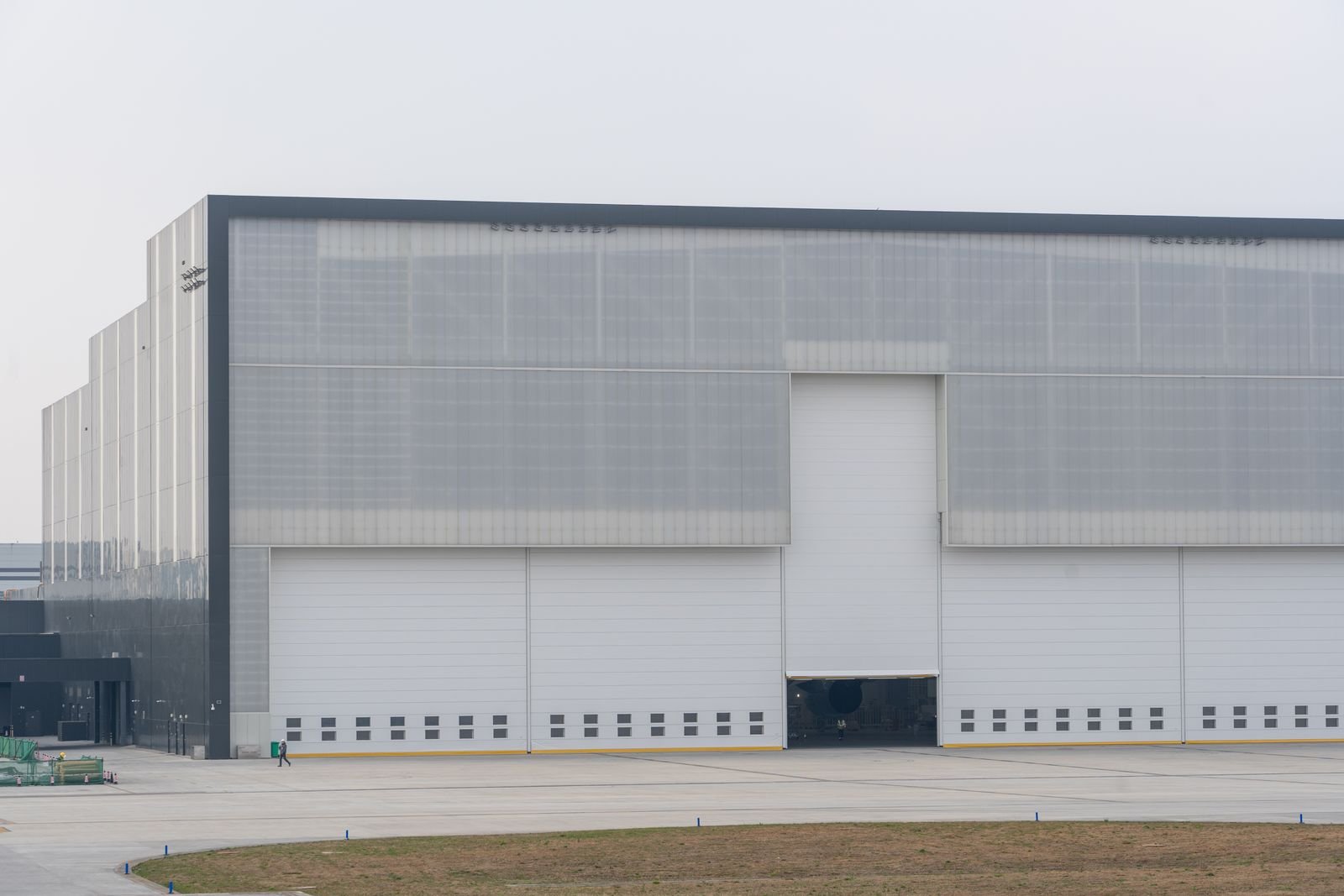
Hamilton’s Industrial Context
Hamilton has a long industrial history, and its industrial properties include older operating sites as well as newer employment areas. One important planning area is the Airport Employment Growth District (AEGD), a secondary plan around the John C. Munro Hamilton International Airport that provides direction for business park development. According to the City of Hamilton, the secondary plan was approved by Council in 2010 and came into effect in February 2015 after a decision from the Ontario Municipal Board, and it forms part of Volume 2 of the Urban Hamilton Official Plan. It is intended to support a range of employment uses in an eco-industrial park setting. If your property is in or near this area, the secondary plan policies affect permitted uses and how buyers will view the site. Whether your building is in that district or elsewhere in the city, confirm its zoning, official plan designation and any special policies with the City in writing.
Who Buys Industrial Property in Hamilton
- Owner-users: manufacturers, distributors, contractors and other operators who want a building that fits their process and are willing to pay for functionality.
- Investors: buyers of leased industrial buildings who underwrite lease terms, tenant quality and rollover risk.
- Developers and land buyers: acquirers of vacant or underused industrial land who focus on servicing, approvals and site conditions.
Each group prices a building differently. An owner-user may care most about clear height, loading, power, yard space and layout, while an investor cares most about NOI and leases. Present the property to the group most likely to value it highest. See how to sell an industrial building in Ontario for the general seller process.
How Buyers Assess an Industrial Building
- Functional features: clear height, column spacing, shipping doors and dock levellers, power capacity, floor loading, office ratio and yard or outdoor storage.
- Condition and capital needs: roof, floors, HVAC and heating, sprinklers, paving and structural elements.
- Location and access: proximity to highways, transportation infrastructure, labour and customers.
- Income and leases for investment properties, including term, rent and recoveries. See how industrial leases affect property value.
- Zoning and permitted uses, including whether the buyer’s intended use is allowed.
Price is built from the evidence buyers can verify. Read how to value an industrial building and industrial property cap rates in Ontario.
Environmental History Deserves Early Attention
Hamilton’s industrial past means many sites have a long history of manufacturing, storage or processing, and buyers and lenders take environmental risk seriously. Expect requests for a Phase I environmental site assessment prepared to CSA Z768 and, where warranted, a Phase II. Gather any existing reports, remediation records and regulatory correspondence before marketing. If a site may be redeveloped for a more sensitive use, the Record of Site Condition framework under O. Reg. 153/04 can apply. An owner who understands the site’s condition before a buyer’s consultant does is in a stronger position to negotiate.
Prepare the Documents
- Leases, amendments and a reconciled rent roll for leased buildings.
- Operating statements, property tax bills and utility bills.
- Survey, site plan, building drawings and zoning confirmation.
- Equipment lists and what is included or excluded in the sale.
- Environmental reports and any orders or permits related to the site.
- Capital history for major building systems.
The due diligence checklist lists what buyers typically request.
Costs and Taxes
Ontario land transfer tax is generally paid by the purchaser, with non-residential provincial rates of 0.5% up to $55,000, 1.0% from $55,000 to $250,000, 1.5% from $250,000 to $400,000 and 2.0% above $400,000. HST generally applies to the sale of commercial real property, with rules explained in the CRA’s memorandum on commercial real property sales. Sellers should also plan for income tax on any gain, legal fees, brokerage commission and environmental or survey costs. Consult your accountant and lawyer early.
Common Mistakes
- Overlooking environmental history until a buyer raises it.
- Marketing an owner-user building as if it were an investment, or the reverse.
- Failing to confirm zoning and permitted uses against the buyer’s likely operations.
- Not documenting what equipment and fixtures are included.
- Assuming a site within a planned employment area has development potential beyond what the policies allow.
- Presenting incomplete leases or unreconciled recoveries.
Frequently Asked Questions
What is the Airport Employment Growth District?
A secondary plan area around the John C. Munro Hamilton International Airport that guides business park development, and forms part of the Urban Hamilton Official Plan.
How do I confirm zoning for my industrial property in Hamilton?
Ask the City of Hamilton’s planning staff for written zoning and official plan information, and have a lawyer or planner help interpret it.
Do I need an environmental assessment to sell?
Not always, but buyers and lenders commonly require a Phase I environmental site assessment for industrial properties.
Should I sell to an owner-user or an investor?
It depends on the building and its lease status. A broker can advise which group is likely to pay the most for your property.
Can I sell part of an industrial property?
Only if the property can be legally divided, for example through a severance or as a condominium. Approvals and timing should be checked with a planner and lawyer.
Who pays land transfer tax?
The purchaser generally pays Ontario land transfer tax.
Conclusion
Selling industrial property in Hamilton requires clarity about function, environmental history, zoning and the buyer pool. Owners who confirm planning status, organize documents and address environmental questions early give buyers the confidence to pay for what the property offers. If you are considering selling an industrial property in Hamilton or Southern Ontario, a property-specific valuation and market strategy can help you understand your options before entering the market.
Sources and Further Reading
- City of Hamilton: Airport Employment Growth District Secondary Plan
- Government of Ontario: O. Reg. 153/04, Records of Site Condition
- Government of Ontario: Calculating land transfer tax
- Canada Revenue Agency: GST/HST Memorandum 19-4-1, Commercial Real Property Sales and Rentals
This article is general information and is not legal, tax, accounting, planning or environmental advice. Consult qualified professionals about your specific property and transaction.
Considering selling an industrial property in Hamilton? CapRate.ca can help you evaluate the property’s market position and develop a strategy for the sale.
Selling an Industrial Building in Hamilton