Industrial Property Due Diligence Checklist in Ontario
An industrial property due diligence checklist in Ontario needs to cover what makes industrial buildings different from other commercial property: the physical specifications that determine whether an operation can actually work in the building, the environmental history of the site, and the zoning and site rules that control outdoor storage, truck movement and use. This checklist is for buyers, lenders and sellers preparing for a buyer’s review of warehouses, manufacturing buildings and distribution facilities in the GTA and Southern Ontario. It groups the items into physical, legal and planning, environmental, financial and lease, and closing categories. For the general framework that applies to all commercial property, see the commercial real estate due diligence checklist.
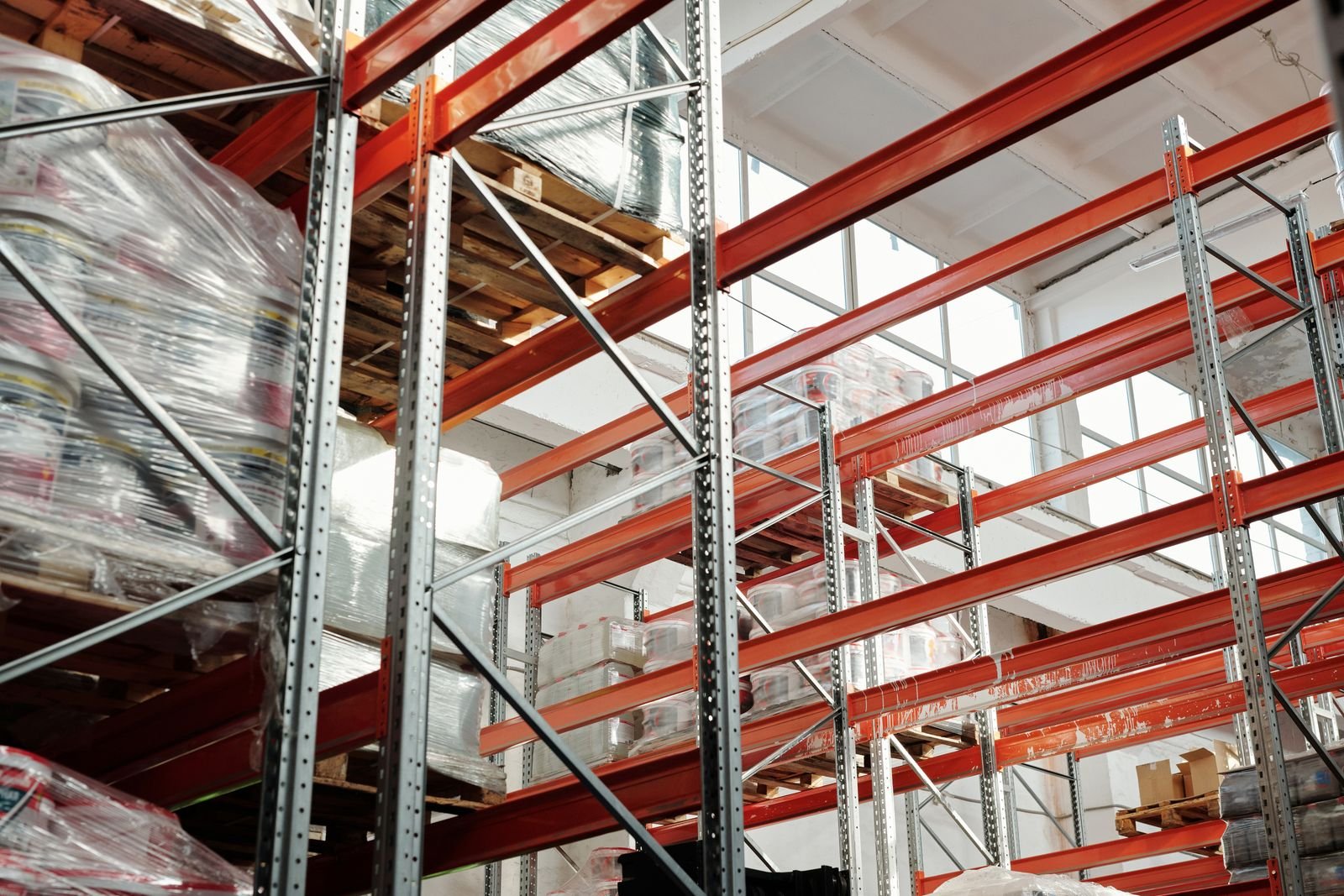
1. Building Specifications and Function
Industrial value is often determined by function. Confirm and document:
- Clear height under the lowest structural member, which limits racking and stacking.
- Column spacing and bay layout, which affect racking, machinery and flow.
- Shipping and receiving: number and type of dock-level doors and drive-in doors, dock levellers, and truck court depth and turning space.
- Floor: slab thickness, load capacity, flatness and condition, particularly where heavy equipment is used.
- Power: service size, voltage and available capacity. Ask for utility confirmation if the operation needs more.
- Heating, ventilation and cooling appropriate to the use.
- Fire protection: sprinkler system type and coverage relative to the intended storage, and alarm systems.
- Office ratio, mezzanines and washrooms.
- Yard and parking: trailer parking, staging areas and employee parking.
A buyer’s tenant or operation may need specifications the building lacks, so the intended use should be checked against the building early.
2. Physical Condition and Capital Needs
- Roof age, type, condition and warranty, plus drainage.
- Structure, walls, cladding and any visible movement or cracking.
- Paving, concrete aprons and drainage in the yard and truck court.
- Mechanical, electrical and plumbing systems and their remaining life.
- Overhead doors, dock equipment and cranes, where present.
- A building condition assessment or engineer’s report where the property is significant or older.
Ask for a schedule of major capital work completed and planned, since buyers will price deferred items.
3. Zoning, Planning and Site
- Zoning and permitted uses: confirm that the buyer’s intended operation is a permitted use, in writing from the municipality where possible.
- Official plan designation and any site-specific policies or secondary plans. See official plan vs zoning.
- Outdoor storage, truck parking, loading and noise restrictions.
- Parking requirements and compliance with the by-law.
- Site plan agreements, development agreements and any registered conditions.
- Legal non-conforming status, where a use predates current zoning.
- Building permits and work orders: open permits, unpermitted additions and outstanding orders.
- Expansion potential: lot coverage limits and available land.
4. Title, Survey and Servicing
- Title search, easements, rights-of-way and encumbrances.
- An up-to-date survey showing buildings, setbacks and encroachments.
- Servicing: water, sanitary and storm sewers, gas, hydro and telecom, plus any capacity limits.
- Access and shared driveway or maintenance agreements with neighbours.
5. Environmental Review
Environmental risk is one of the most important items for industrial property, and lenders often require an assessment.
- Phase I environmental site assessment prepared to CSA Z768 by a qualified professional, reviewing history, records, and site conditions.
- Phase II assessment with sampling, where the Phase I identifies potential contamination.
- Past uses of the site and neighbouring properties, storage tanks, chemicals, and waste handling.
- Records of Site Condition: Ontario’s O. Reg. 153/04 framework applies when a property changes to a more sensitive use, and buyers may ask whether one exists.
- Regulatory correspondence, orders, permits and approvals related to air, water and waste.
- Building materials such as asbestos in older buildings.
Sellers who commission or gather environmental reports before listing often save time and protect price.
6. Leases and Income
- All leases, amendments, guarantees and side letters, reconciled to the rent roll.
- Tenant estoppel certificates confirming rent, term and no defaults.
- Recovery reconciliations and any tenant disputes.
- Tenant operations, permitted uses and hazardous materials clauses.
- Operating statements, tax and utility bills, and insurance details.
For how lease terms change value, see how industrial leases affect property value.
7. Taxes and Costs
- Property tax bills, the assessment and any appeals. MPAC’s 2026 assessments still reflect January 1, 2016 values.
- Ontario land transfer tax, which the purchaser generally pays: 0.5% to $55,000, 1.0% to $250,000, 1.5% to $400,000 and 2.0% above for non-residential property.
- HST treatment of the sale under CRA guidance on commercial real property.
- Insurance quotes, including any environmental coverage.
8. Closing and Post-Closing
- Agreement of purchase and sale conditions and deadlines, aligned with the review schedule.
- Financing conditions and lender requirements such as appraisals and reports.
- Transfer of utilities, service contracts, warranties and equipment.
- Tenant notices and rent adjustments at closing.
Common Mistakes
- Falling in love with the price per square foot and failing to check that the building fits the operation.
- Assuming outdoor storage or truck parking is permitted.
- Waiting too long to commission the environmental review.
- Relying on a seller’s statement about power capacity without utility confirmation.
- Overlooking unpermitted alterations or open work orders.
- Leaving financing and lender report timelines out of the due diligence schedule.
Frequently Asked Questions
How long does industrial due diligence take?
It depends on the property and the reports required. Environmental and engineering reviews often drive the schedule, so start early.
Is a Phase I environmental assessment required?
Not legally in every case, but buyers and lenders commonly require one for industrial property.
What is clear height?
The usable vertical space from floor to the lowest structural obstruction, which determines how high goods can be stored.
Can I use an industrial property for any industrial purpose?
Not necessarily. Permitted uses are set by zoning, and some uses are restricted or excluded. Confirm with the municipality.
Who pays for the environmental report?
It is negotiable. Buyers often commission their own, and sellers may provide existing reports.
What should a seller prepare?
Leases, financials, surveys, zoning information, building specifications, environmental reports and capital history, organized before marketing.
Conclusion
Industrial due diligence goes beyond price per square foot. It tests whether the building fits the operation, whether zoning allows the intended use, what the site’s environmental history is and whether the leases and financials support the price. Organizing these items early protects both buyers and sellers from late surprises. If you are buying or selling an industrial property in the GTA or Southern Ontario, a property-specific valuation and market strategy can help you understand your options before entering the market.
Sources and Further Reading
- Government of Ontario: O. Reg. 153/04, Records of Site Condition
- Government of Ontario: Calculating land transfer tax
- Municipal Property Assessment Corporation: The Assessment Cycle
- Canada Revenue Agency: GST/HST Memorandum 19-4-1, Commercial Real Property Sales and Rentals
This article is general information and is not legal, tax, accounting or environmental advice. Consult qualified professionals about your specific property and transaction.
CapRate.ca works with commercial property buyers and sellers across the GTA and Southern Ontario. Browse current industrial buildings or speak with us about your requirements.
View Industrial Buildings for Sale