Short-Term Rental Cap Rate Calculator: Ontario Guide
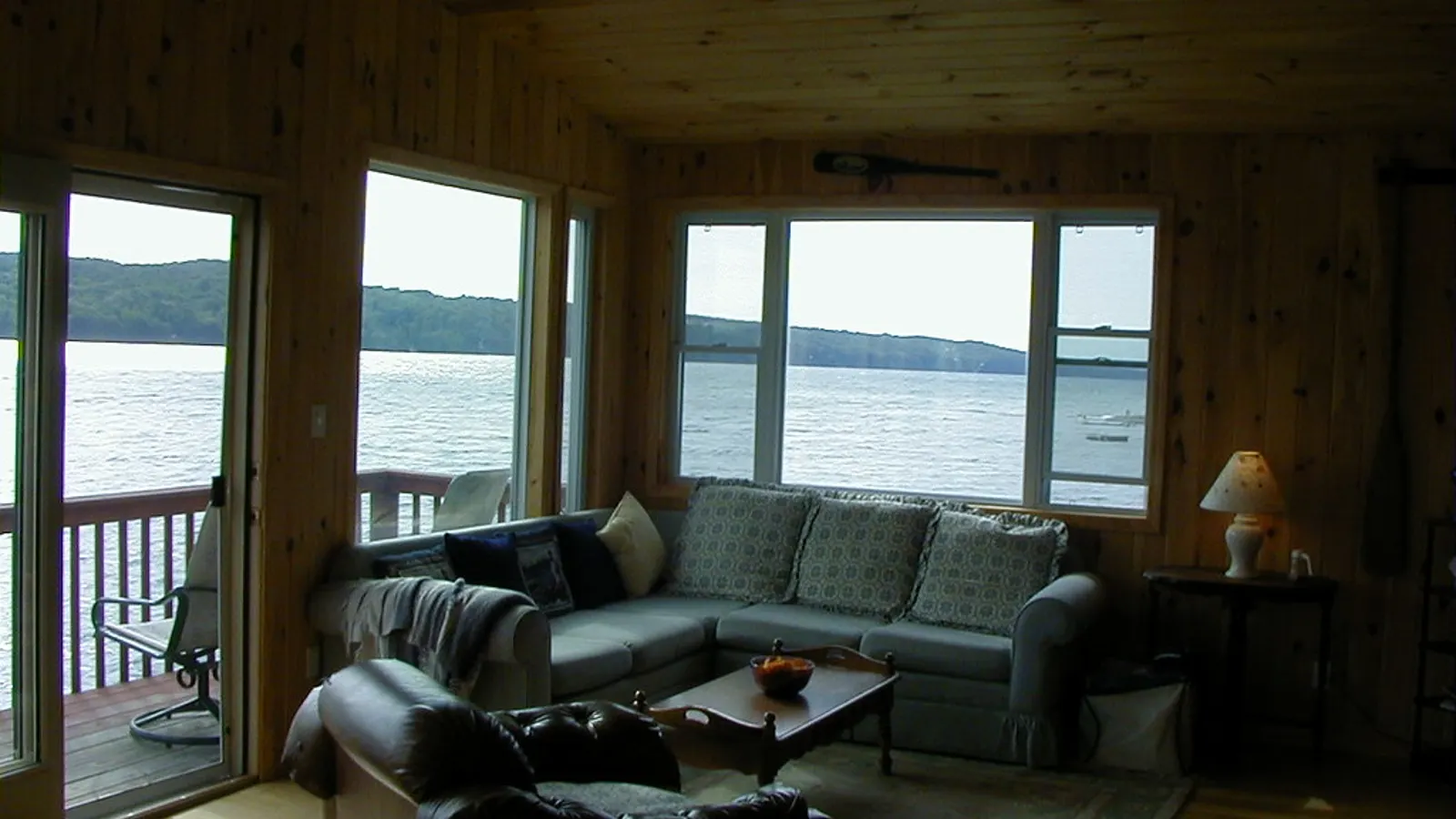
A short-term rental cap rate is the property’s yearly net operating income divided by its purchase price. NOI is all your booking and cleaning-fee revenue, minus platform fees, cleaning, utilities, supplies, insurance, property tax, repairs and management. It does not include mortgage payments. A $600,000 property that nets $24,000 a year has a 4.0% cap rate.
Key takeaways
- Short-term rentals have far more expense lines than long-term rentals, so a standard calculator will usually overstate the cap rate.
- In our worked example, hiring a manager cut the STR cap rate from 3.97% to 2.17%, which is below the same home rented long term (3.48%).
- In Toronto, short-term rentals are allowed only in your principal residence, and entire-unit rentals are capped at 180 nights a year. That cap limits how much revenue you can count.
- If your rental doesn’t comply with local rules, CRA can deny your expense deductions. That doesn’t change NOI, but it does cut your after-tax return.
How do you calculate the cap rate on a short-term rental?
The formula is the same one used for any income property: cap rate = NOI ÷ purchase price × 100. For a short-term rental (STR), the work is in building an honest NOI. Our guide to what cap rate means covers the theory. Here is how to apply it to an STR:
- Estimate booked nights for each season, not one flat occupancy figure. Summer and winter-holiday weeks can sell out while shoulder months sit empty. Add up the nights month by month.
- Multiply nights by your realistic average daily rate (ADR) for each season.
- Add the cleaning fees you charge guests. This is real revenue. Several popular guides leave it out of income but count the cleaning cost as an expense, which drags the result down.
- Leave out pass-through taxes. The Municipal Accommodation Tax (MAT) and any HST you collect go to the government. They are neither revenue nor expense.
- Subtract every operating expense (see the table below). Don’t subtract mortgage principal, interest, or income tax.
- Divide NOI by the price, or by current market value if you already own the property.
Worked example: one Ontario property, three ways to run it
All inputs below are illustrative assumptions for a $600,000 detached home in an Ontario municipality that permits STRs. They are not market data. Replace them with your own quotes, comparable listings and your municipality’s fees.
STR revenue: 219 booked nights (60% occupancy) × $210 ADR = $45,990, plus 80 stays × $100 cleaning fee = $8,000. Gross revenue: $53,990.
| Line item (annual) | STR, self-managed | STR, 20% manager | Long-term rental |
|---|---|---|---|
| Gross revenue | $53,990 | $53,990 | $31,200 ($2,600/mo) |
| Vacancy allowance | Built into occupancy | Built into occupancy | −$936 (3%) |
| Cleaning and turnover (80 × $110) | −$8,800 | −$8,800 | $0 |
| Platform and payment fees (assumed 5%) | −$2,700 | −$2,700 | $0 |
| Management | $0 | −$10,798 | $0 |
| Utilities, internet, streaming | −$4,200 | −$4,200 | $0 (tenant pays) |
| Supplies and consumables | −$1,800 | −$1,800 | $0 |
| Property tax | −$5,400 | −$5,400 | −$5,400 |
| Insurance | −$2,400 | −$2,400 | −$1,500 |
| Repairs and maintenance | −$2,500 | −$2,500 | −$2,500 |
| Furniture and linen reserve | −$2,000 | −$2,000 | $0 |
| Licence or registration | −$400 | −$400 | $0 |
| NOI | $23,790 | $12,992 | $20,864 |
| Cap rate on $600,000 | 3.97% | 2.17% | 3.48% |
The STR earns about $22,800 more gross revenue than the long-term lease. Self-managed, that becomes only about half a point of extra cap rate. Hand the work to a manager and the STR yields less than the long-term rental while carrying more risk. The 3% long-term vacancy allowance is in line with CMHC’s 3.0% apartment vacancy rate for Toronto in 2025. CMHC also expects rental markets to keep easing in 2026. You can check any column in our cap rate calculator.
What expenses do people forget in an STR cap rate?
- Furnishing wear. Linens, mattresses and small appliances wear out on a hotel schedule, not a household one. Set aside a reserve.
- STR-specific insurance. A standard homeowner or landlord policy may not cover paying guests. Get a written quote.
- Utilities you can’t pass on. With an STR, you pay heat, hydro, internet and streaming all year, including nights nobody books.
- Platform fee changes. Fee models vary by listing and change over time. Check your own dashboard instead of using a blog’s figure.
- Your own time. If you self-manage, the cap rate looks better because your labour is free. Decide whether you’d still do the work if you priced it.
How do Ontario and Toronto rules change the numbers?
Toronto: principal residence only, 180-night cap
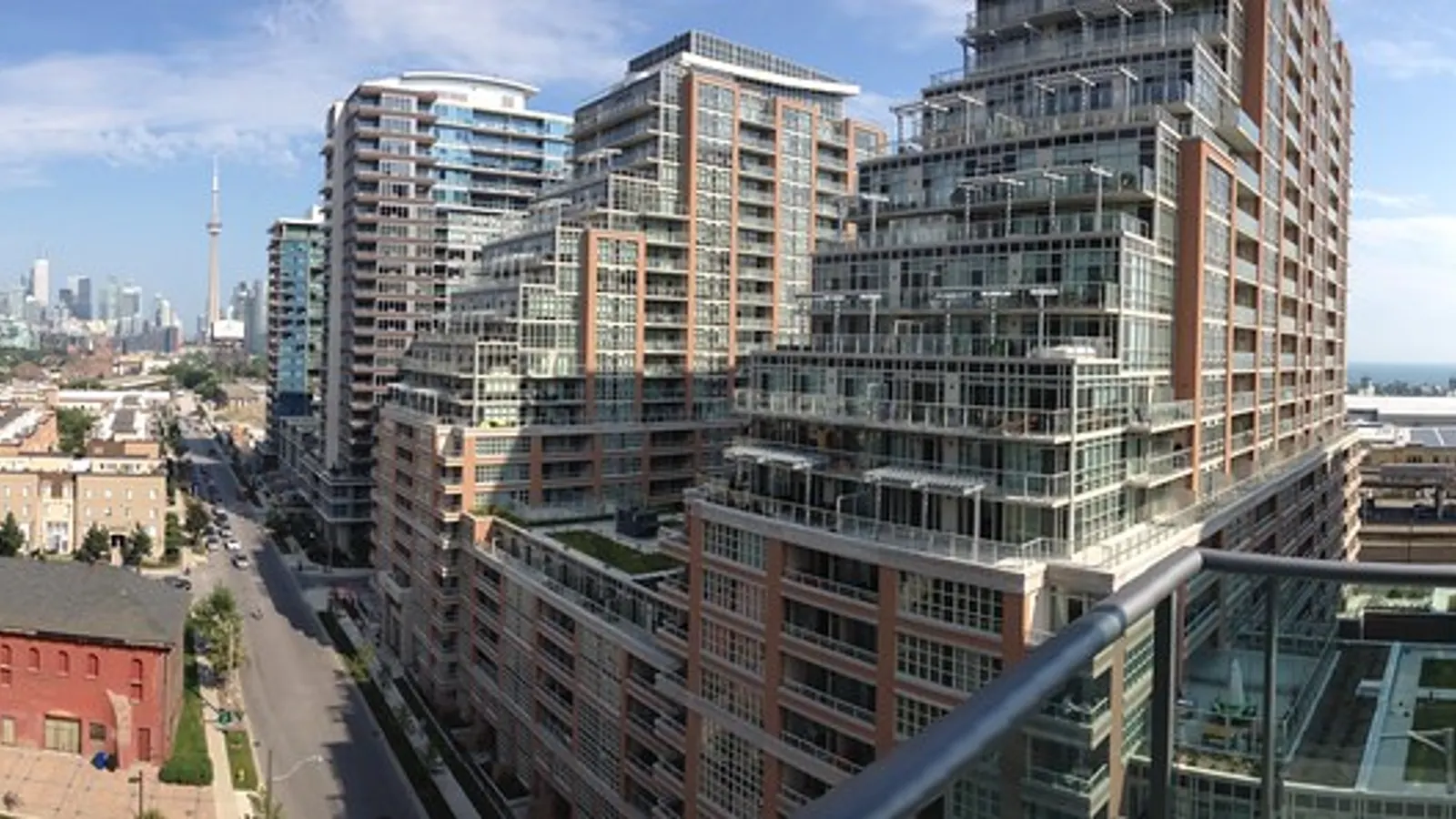
Toronto defines short-term rentals as stays of less than 28 consecutive days and permits them only in an operator’s principal residence. On that same page, the city caps registered entire-unit rentals at 180 nights per calendar year and lists a $390 registration fee that is subject to annual increases. In practice, you can’t buy a Toronto condo purely to run as an Airbnb. If you rent out your own home while you travel, 180 nights works out to about 49% maximum occupancy. Your calculation should never assume more than that.
Municipal Accommodation Tax
Toronto’s temporary 8.5% rate has ended. MAT is 6% on stays beginning August 1, 2026. The tax is collected from guests and passed through, so it stays out of NOI. It does raise the total price guests pay, which can push down the ADR you can charge. Other Ontario municipalities set their own STR licensing and MAT rules, so check the bylaw where the property is before you assume any revenue.
HST
For GST/HST purposes, CRA treats stays of less than one month as short-term rentals. Once taxable revenue goes over $30,000 in four consecutive calendar quarters, you are no longer a small supplier and generally must register (CRA GI-025). The $53,990 example above would be over that line. Ask your accountant how HST affects your pricing and compliance.
Can CRA deny your STR expenses?
Yes. For tax years after 2023, CRA denies income tax deductions for short-term rentals that don’t comply with provincial or municipal registration, licensing or permit rules. The federal definition is a residential property rented or offered for less than 90 consecutive days, which is broader than Toronto’s 28-day test. The denied amount is prorated by the number of non-compliant days. The CRA’s own example denies $29,753 of $60,000 in expenses for 181 non-compliant days. Your cap rate doesn’t change, but your after-tax cash flow can drop sharply. Treat compliance as part of the deal, not paperwork for later.
What is a good cap rate for a short-term rental in Canada?
No official body publishes STR cap rates for Canada, so be wary of any single “good” number. The closest benchmarks are commercial surveys. CBRE’s Q3 2026 report puts the Canadian all-property average at 6.56%. In the same report, multifamily was the only asset class whose cap rates edged up, and the 10-year bond yield rose 62 bps. Financing is also getting more expensive: the Bank of Canada raised its policy rate to 2.5% on October 28, 2026. A sensible test is to compare your STR’s cap rate with what the same property would earn as a long-term rental. If the STR premium is under about one point, it may not be worth the extra work, regulatory risk and furniture wear. For context on income properties, see our Canada cap rate report for 2026 and our look at investment property cap rates in the GTA.
Checklist before you trust an STR cap rate
- Confirm the municipality permits STRs at this address and for this owner (principal-residence rules, licence caps, zoning).
- Cap booked nights at any legal limit (180 for entire units in Toronto).
- Model occupancy and ADR month by month, using comparable active listings, not the seller’s best year.
- Count guest cleaning fees as revenue and the cleaner’s invoice as an expense.
- Exclude MAT and HST from both revenue and expenses.
- Get real quotes for STR insurance, management and cleaning.
- Include a furniture reserve and year-round utilities.
- Run a long-term rental version side by side.
- Confirm registration and licence status so CRA won’t deny deductions.
Frequently Asked Questions
Should I use purchase price or market value?
Use purchase price when you’re deciding whether to buy. If you already own the property, use current market value to judge whether your money would work harder somewhere else.
Does the mortgage affect the cap rate?
No. Cap rate is calculated before debt. To see the effect of financing, use cash-on-cash return or a debt-service coverage ratio.
Is an STR cap rate comparable to a hotel cap rate?
Only loosely. Hotels have staff, brand contracts and operating businesses built into their value. A single STR depends on one owner’s compliance and effort, so it usually carries more risk per dollar of NOI.
Why does my STR cap rate look lower than online calculators show?
Most calculators are built for long-term leases and leave out cleaning, platform fees, utilities, supplies and furniture replacement. A lower number that includes those costs is the more accurate one.
Looking for steadier income than nightly bookings?
If the STR numbers don’t hold up, multi-unit properties give you lease income without the turnover. Browse apartment buildings for sale in Ontario, and CapRate can help you check the NOI before you make an offer.
This article is general information and is not financial, tax or investment advice. The worked example uses illustrative numbers only, and short-term rental rules change. Check your municipality’s current bylaws and speak with your accountant and a licensed professional before you buy.
Want a second look at the numbers on an income property? CapRate.ca can review your income and expenses and give you a realistic view of value.
Get a Free Property Evaluation