Official Plan vs Zoning: What Ontario Commercial Property Owners and Buyers Need to Know
An official plan and a zoning by-law are two different documents that work together, and confusing them is one of the most common mistakes commercial property owners and buyers make in Ontario. The official plan sets a municipality’s long-term goals and policies for how land should be used; the zoning by-law sets the specific rules that apply to a particular lot today. A property can be designated for one thing in the official plan and zoned for something narrower, and what a buyer can actually build or operate depends on both. This guide explains the difference, how the two relate, how each affects the value of commercial property, and how owners and buyers should confirm what applies to a specific site.
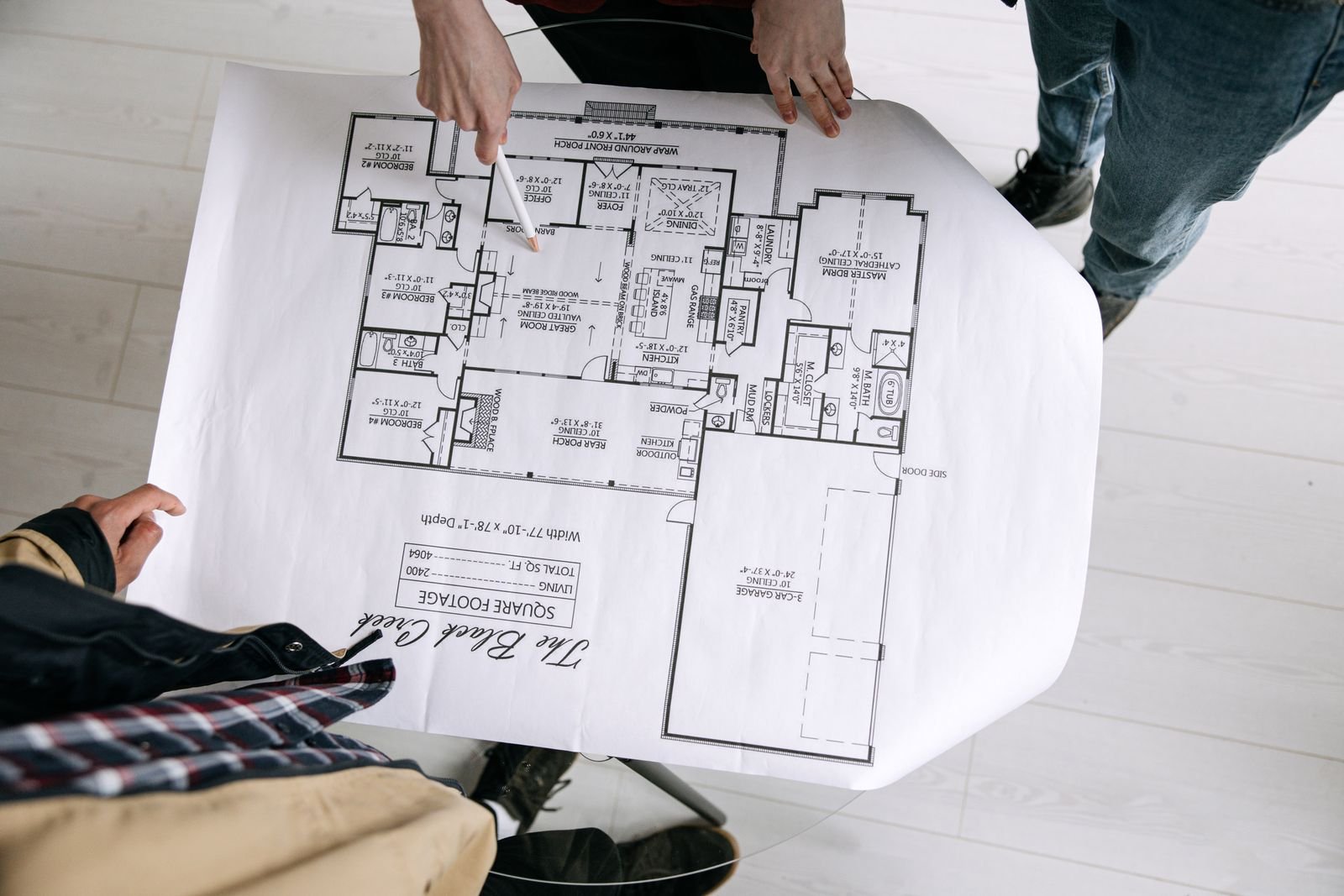
What an Official Plan Does
An official plan is a municipality’s statement of its general planning goals and policies to guide future land use and development. It typically designates areas for broad categories such as employment, commercial, residential or mixed use, and sets policies on matters like density, servicing, natural heritage and transportation. It does not usually tell you the exact height of a building or how many parking spaces are required on your lot. Official plans are prepared under Ontario’s Planning Act and must be consistent with provincial policy, including the Provincial Planning Statement, 2024. In some places, additional secondary plans give more detailed direction for a specific area.
What a Zoning By-law Does
A zoning by-law sets the rules and regulations that control development on each parcel: permitted uses, lot coverage, building height, setbacks, parking and loading requirements, and often outdoor storage and other site-specific standards. The Ontario government describes zoning by-laws as the tool that sets the rules controlling development as it occurs. Zoning must be consistent with provincial policy and, under the Planning Act, generally must conform to the official plan. So the official plan gives the direction, and the zoning by-law is the detailed rulebook that implements it.
How the Two Fit Together
| Official plan | Zoning by-law | |
|---|---|---|
| Purpose | Long-term goals and policies | Specific rules for each parcel |
| Level of detail | General land-use categories and policies | Permitted uses, height, setbacks, parking and more |
| Time horizon | Long term | What is permitted now |
| Who checks it | Planners assessing policy conformity | Building and zoning staff assessing compliance |
In practice, a property is subject to both. A site might be designated for employment uses in the official plan but zoned for a narrower set of industrial uses; a use that fits the designation may still be prohibited by the zoning until an amendment is approved.
Why the Difference Matters for Value
- Permitted use today: zoning determines what a buyer can do without approvals, which drives the buyer pool and price.
- Potential tomorrow: the official plan indicates what the municipality may support, which matters for redevelopment or intensification, but it does not guarantee approval.
- Time and risk: changing zoning or the official plan takes time and carries uncertainty, and buyers will discount for both.
- Financing: lenders often want confirmation that the use is legal and that the property complies.
For land, the gap between zoning and potential can be the largest driver of value. See how to sell commercial land in Ontario and how to buy development land in Ontario.
Ways a Property’s Permissions Can Change
- Official plan amendment: a change to the designation or policies affecting a property.
- Zoning by-law amendment (rezoning): a change to the zoning rules for a property.
- Minor variance: a small departure from a zoning standard, such as a setback, considered by the municipality’s committee of adjustment.
- Site plan control: municipal review of site layout, access, drainage and similar matters before development.
- Consent or severance: approval to divide a property.
These processes have public notice, technical review and, in some cases, appeal rights to the Ontario Land Tribunal. Buyers of land or redevelopment sites should assume that approvals take time and may not succeed, and should make their offers conditional accordingly.
Special Situations to Check
- Legal non-conforming use: a use that was lawful before current zoning but is no longer permitted. It may continue but can be restricted if expanded or discontinued.
- Holding provisions: zoning that permits a use only after specified conditions are satisfied.
- Site-specific zoning: special provisions unique to a property.
- Secondary plans and overlays: extra policies in defined areas, such as employment districts.
- Appeals: some municipalities’ plans or by-laws are under appeal, so the current status must be confirmed. For example, the City of Brampton notes that portions of its official plan remain under appeal.
How to Confirm What Applies to a Property
- Obtain the current zoning by-law and the official plan designation for the property from the municipality.
- Ask the municipality for written zoning confirmation, or have a lawyer or planner obtain a zoning compliance letter.
- Check for secondary plans, overlays, site-specific exceptions and holding provisions.
- Review any site plan agreements, development agreements and registered conditions on title.
- Look for open building permits, work orders and outstanding violations.
- Confirm whether any relevant plans or by-laws are under appeal.
- For redevelopment, speak with municipal planning staff and a planning consultant before pricing any assumed approvals.
Common Mistakes
- Treating an official plan designation as if it were permission to build.
- Assuming a neighbour’s use or approval applies to your lot.
- Paying for redevelopment potential that has no approval path.
- Overlooking legal non-conforming status when planning an expansion.
- Not confirming zoning in writing before firming up an offer.
- Ignoring appeals that may change the applicable policies.
Frequently Asked Questions
What is the difference between an official plan and zoning?
The official plan sets long-term goals and policies for land use; the zoning by-law sets the specific rules for each parcel, including permitted uses and building standards.
Which one controls what I can do on my property?
Both apply, but zoning determines what is permitted now. A use must generally be allowed by the zoning by-law and conform to the official plan.
Can I change my property’s zoning?
You can apply for a zoning by-law amendment, and possibly an official plan amendment, but approval is not guaranteed and the process takes time.
What is a minor variance?
A small exception to a zoning standard, such as a setback or height limit, considered by the municipality’s committee of adjustment.
What is a legal non-conforming use?
A use that was lawfully established before the current zoning took effect and that may continue under certain conditions even though it is no longer permitted.
How do I get zoning confirmation?
Contact the municipality’s planning or zoning office, or engage a lawyer or planner to obtain written confirmation.
Conclusion
The official plan tells you where a municipality wants land use to go, and the zoning by-law tells you what a specific property can do today. Value depends on both, and on the time, cost and uncertainty of moving from one to the other. Owners and buyers who confirm both in writing before pricing or offering avoid expensive surprises. If you are considering selling or buying commercial property in the GTA or Southern Ontario, a property-specific valuation and market strategy can help you understand your options before entering the market.
Sources and Further Reading
- Government of Ontario: A Citizen’s Guide to Land Use Planning: The Planning Act
- Government of Ontario: Provincial Planning Statement, 2024
- Ontario Land Tribunal: Appeals process
- City of Brampton: Brampton Plan (official plan)
This article is general information and is not legal, planning or accounting advice. Consult qualified professionals about your specific property.
Considering selling or buying land or commercial property in the GTA or Southern Ontario? A property-specific valuation and market strategy can help you understand your options.
Request a Property Valuation