Industrial Condo vs Industrial Building in Ontario: Costs, Control and Risks
An industrial condo is a unit in a multi-unit industrial building or complex that you own outright, together with a share of the common elements, while an industrial building is a freehold property in which you own the whole building and its land. The choice affects price, control, monthly costs, financing, resale and how much the property can adapt to your operations. This guide is for Ontario business owners considering an owner-occupied purchase and for investors comparing the two. It explains how the structures differ, what each buyer should review, and which questions to answer before choosing.
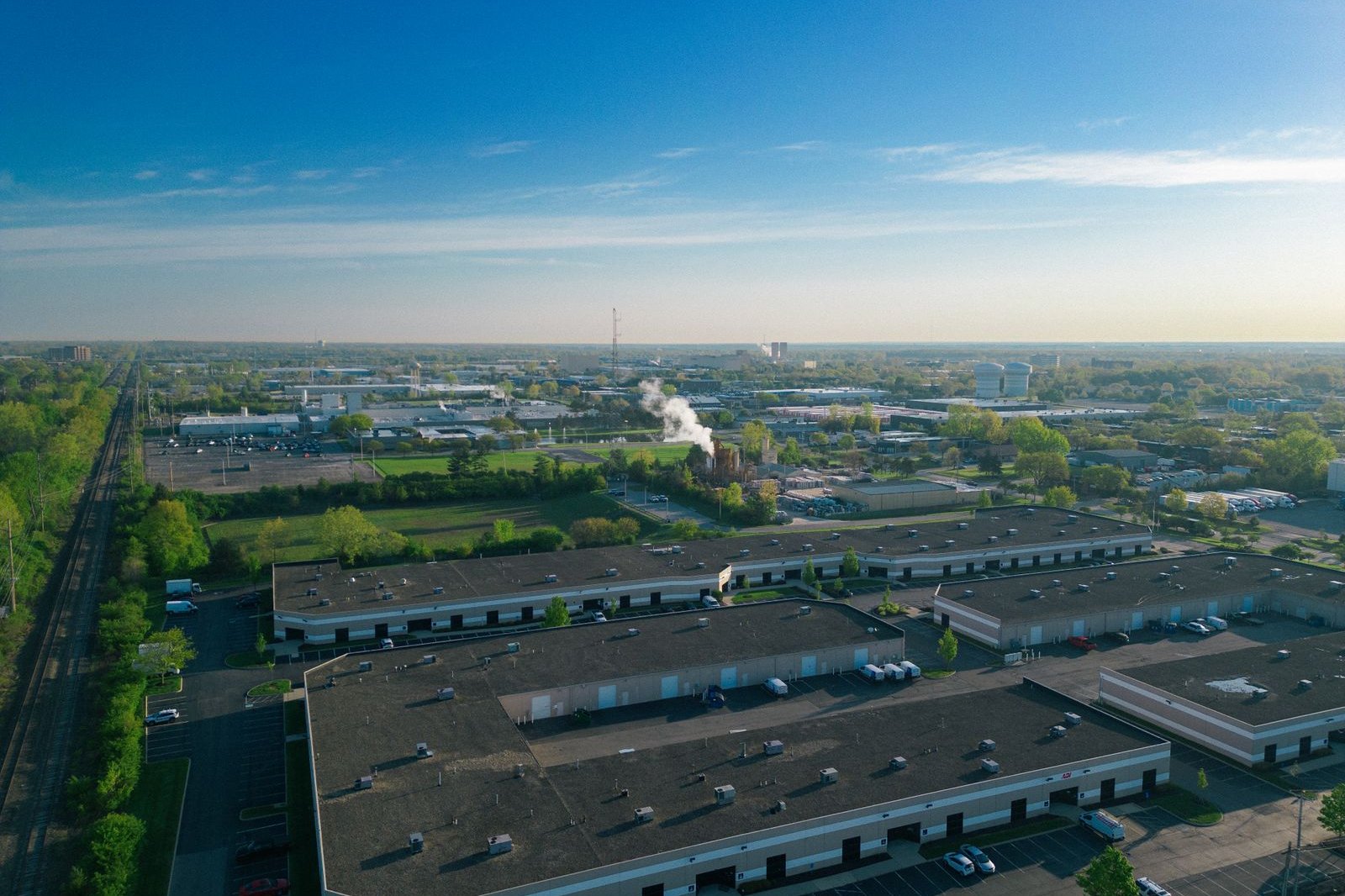
How Each Structure Works
- Industrial condominium: you own a defined unit and an undivided share of common elements such as the parking areas, driveways, roof, structure and landscaping. A condominium corporation, governed by a board, manages and maintains the common elements and collects condominium fees from owners. In Ontario, condominiums are governed by the Condominium Act, 1998, along with the corporation’s declaration, by-laws and rules.
- Industrial building (freehold): you own the entire property outright. You are responsible for the whole building, land, maintenance and decisions, subject to zoning and municipal requirements.
Advantages of an Industrial Condo
- Lower entry cost and size flexibility: units are typically smaller, so a business can own space suited to its current scale.
- Shared responsibility for common areas: the corporation handles maintenance, snow removal, landscaping and shared repairs, funded by all owners.
- Ownership rather than renting: owner-users build equity instead of paying rent.
- Investor entry: a smaller, more affordable asset for investors seeking leased industrial space.
Limits of an Industrial Condo
- Rules and restrictions: the declaration, by-laws and rules may limit permitted uses, hours, signage, outdoor storage, truck parking, modifications and noise or odour. Confirm your operations are allowed before you buy.
- Condominium fees and special assessments: fees can rise, and owners may face special assessments if the reserve fund is inadequate.
- Shared decisions: the board controls common elements, so you do not control repairs, timing or expansion of the shared components.
- Limited expansion: growing beyond your unit may depend on neighbouring units becoming available.
- Resale depends on the pool of buyers for your unit size and on how the complex is managed.
Advantages of an Industrial Building
- Control: you decide on maintenance, improvements, use of the yard, expansion and leasing, subject to zoning.
- Land value and outdoor space: the whole site is yours, which may include outdoor storage, truck circulation and expansion room.
- No condominium fees or board: you avoid corporation costs and governance, though you bear all maintenance.
- Flexibility for lease-out: you can lease all or part to tenants on your own terms.
Limits of an Industrial Building
- Higher purchase price and total capital: larger buildings and land cost more.
- Full responsibility for the property: roof, paving, systems, taxes and insurance are all yours.
- More space than you may need, which requires either leasing out the excess or accepting unused capacity.
What to Review in a Condominium Purchase
The Condominium Act, 1998 requires condominium corporations to maintain a reserve fund and to have reserve fund studies carried out periodically to assess whether the fund is adequate. Buyers should ask a lawyer to review:
- Status certificate: a document from the corporation that summarizes its financial condition, fees, legal proceedings and other key information.
- Declaration, by-laws and rules: permitted uses, restrictions and responsibilities.
- Reserve fund study and balance: to gauge the risk of increased fees or special assessments.
- Budget and fee history: to see how costs have changed and what they cover.
- Insurance and repair obligations: which parts of the unit and the building each party maintains.
- Parking, loading and outdoor storage rights and whether they are exclusive or shared.
- Minutes and board history: to understand disputes, planned repairs or capital projects.
What to Review in a Building Purchase
- Building condition, roof, floors, systems, loading and paving, ideally with an engineer’s assessment.
- Zoning, permitted uses and any conditions affecting outdoor storage or expansion.
- Environmental history and a Phase I environmental site assessment under CSA Z768 where warranted.
- Leases, if the building is tenanted. See how industrial leases affect property value.
- Property taxes, insurance and expected capital costs.
The due diligence checklist provides a wider list.
Financing and Costs
Lenders assess industrial condos and buildings differently, and terms depend on the borrower, property and lender. Owner-user purchases may be financed on the strength of the business as well as the property, while investment purchases are underwritten on income. Budget for land transfer tax, which for non-residential property in Ontario is 0.5% up to $55,000, 1.0% from $55,000 to $250,000, 1.5% from $250,000 to $400,000 and 2.0% above, plus legal, environmental and lender costs. HST may apply to purchases of commercial real property; see the CRA’s memorandum. Read how to finance a commercial property in Ontario.
Which Is Right for You?
- A smaller, growing business with modest space needs and no need for a large yard may find a condo a good fit, if the rules allow its operations.
- A business needing control, outdoor storage, heavy truck movement or expansion room may prefer a freehold building.
- An investor should compare income, tenant demand, fees and resale liquidity for each structure, using industrial property cap rates and industrial valuation methods.
For the full buying process see how to buy an industrial property in Ontario.
Common Mistakes
- Buying a condo without confirming that the declaration and rules allow the intended use.
- Ignoring the reserve fund study and the risk of special assessments.
- Underestimating condominium fees in the operating budget.
- Buying a larger freehold building than the business can use or lease out.
- Failing to review the status certificate with a lawyer.
- Overlooking the resale market for a specific unit size or complex.
Frequently Asked Questions
What is an industrial condo?
A unit in a multi-unit industrial complex, owned outright with a share of the common elements, managed by a condominium corporation.
Are industrial condo fees high?
They vary by complex and what they cover. Review the budget, fee history and reserve fund study before buying.
Can I store equipment or park trucks outside an industrial condo?
Only if the declaration, by-laws and rules permit it. Confirm before you buy.
Is an industrial condo cheaper than a building?
The purchase price of a unit is often lower because units are smaller, but ongoing fees and restrictions should be part of the comparison.
Can I lease out an industrial condo?
Often yes, but check the declaration and rules for leasing restrictions.
Do I need a lawyer to buy an industrial condo?
You should. A lawyer can review the status certificate, declaration, by-laws and agreement of purchase and sale.
Conclusion
An industrial condo offers lower entry cost and shared responsibility in exchange for rules and shared decisions, while an industrial building offers control, land and flexibility in exchange for higher cost and full responsibility. The right choice depends on your operations, capital and plans, and on what the documents for a specific property actually say. Before acquiring a commercial property, investors and owner-users should understand not only the asking price, but also the property’s income, restrictions, expenses, physical condition and future potential. CapRate.ca works with commercial property buyers and sellers across the GTA and Southern Ontario.
Sources and Further Reading
- Government of Ontario: Condominium Act, 1998, S.O. 1998, c. 19
- Government of Ontario: Calculating land transfer tax
- Canada Revenue Agency: GST/HST Memorandum 19-4-1, Commercial Real Property Sales and Rentals
This article is general information and is not legal, tax, accounting or financial advice. Consult qualified professionals about your specific property and transaction.
CapRate.ca works with commercial property buyers and sellers across the GTA and Southern Ontario. Browse current industrial buildings or speak with us about your requirements.
View Industrial Buildings for Sale