Commercial Real Estate Investment in Hamilton: Asset Types, Planning and Due Diligence
Commercial real estate investment in Hamilton requires understanding a market that combines established industrial areas with a long history of manufacturing, planned business park lands near the airport, and a range of retail, office, multi-residential and redevelopment opportunities. Hamilton’s mix of older sites and newer employment lands means that environmental history, zoning and planning status often matter as much as the income a property currently produces. This guide is for investors and owner-users considering commercial property in Hamilton. It covers the main asset types, the planning and incentive context to check, how to underwrite and finance a purchase, and the due diligence that matters most. It does not quote market prices or cap rates, which change and must be sourced from current, verifiable transactions.
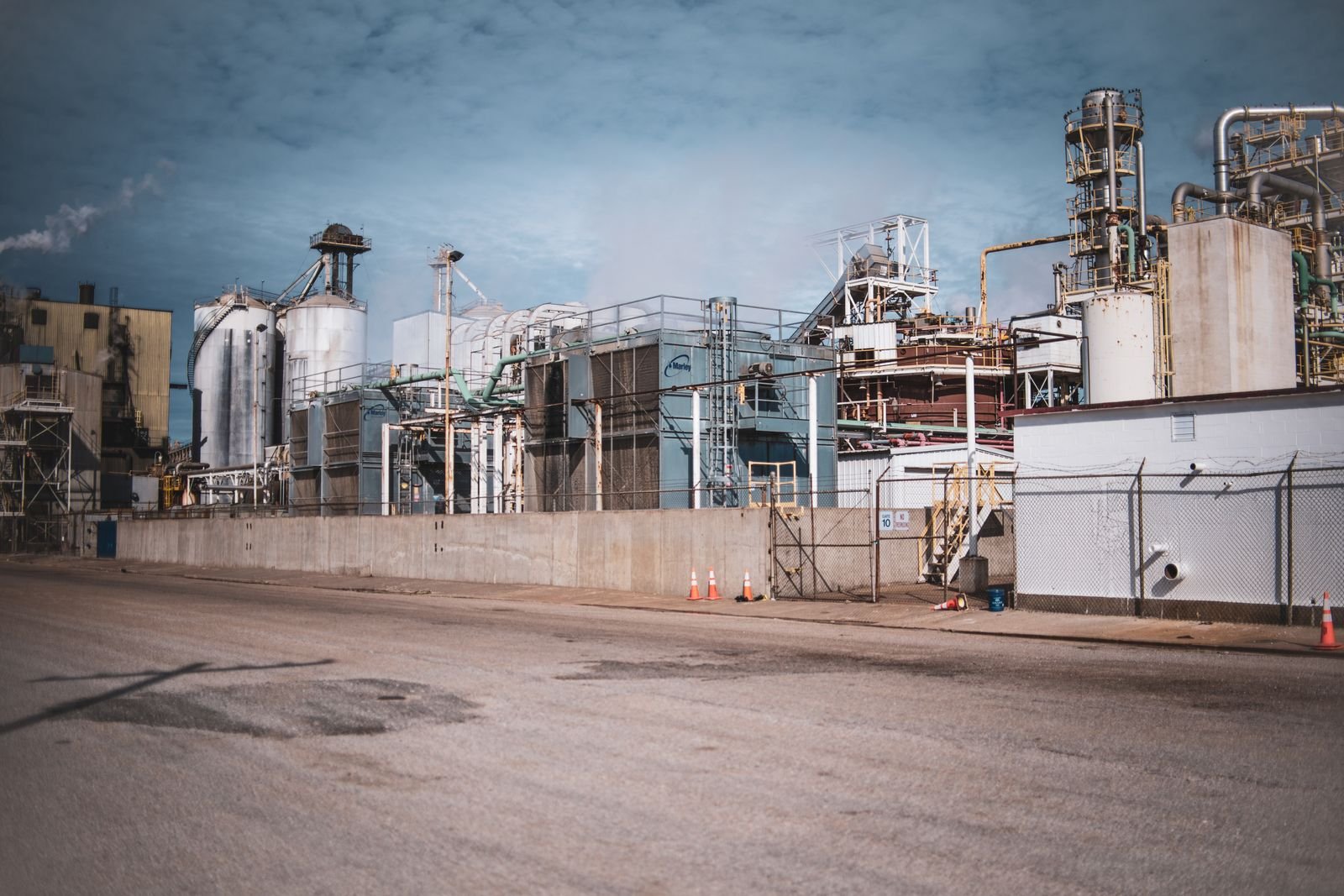
Asset Types Investors Consider
- Industrial: older manufacturing and warehouse buildings, newer distribution space and industrial land. See how to sell industrial property in Hamilton for the seller’s side.
- Multi-residential: apartment buildings, which are analyzed on rent rolls, rent-control status and capital needs. See multi-residential cap rates in Ontario.
- Retail: plazas and standalone retail, where tenant quality and lease terms drive value.
- Office and mixed-use: professional and medical office and properties combining commercial and residential uses.
- Land: commercial, industrial and development land, valued on what can lawfully and profitably be built.
Planning Context to Check
The Urban Hamilton Official Plan governs land use in the city’s urban area. One important part of the planning framework is the Airport Employment Growth District, a secondary plan around the John C. Munro Hamilton International Airport that provides direction for new business park development. According to the City of Hamilton, it was approved by Council in 2010 and came into effect in February 2015 following a decision of the Ontario Municipal Board, and it forms part of Volume 2 of the Urban Hamilton Official Plan. The City has also been developing a Bayfront Industrial Area Strategy for the industrial lands along the harbour. Whether your target property is in one of these areas or elsewhere, confirm its zoning, official plan designation and any special policies with the City in writing. See official plan vs zoning.
Environmental History and Incentives
Hamilton’s industrial past means many sites have a history of manufacturing, storage or processing, and buyers and lenders take environmental risk seriously. Expect a Phase I environmental site assessment prepared to CSA Z768 and, where warranted, a Phase II. If a site may be converted to a more sensitive use, Ontario’s Record of Site Condition framework under O. Reg. 153/04 can apply.
The City of Hamilton also offers financial assistance programs for the investigation, remediation and redevelopment of environmentally impacted sites through its Environmental Remediation and Site Enhancement (ERASE) Community Improvement Plan, which can include tax increment-based grants and deferrals of development charges. The City has been reviewing the ERASE program, so eligibility, terms and availability must be confirmed directly with the City before you rely on them in an acquisition budget. Incentive programs are a possible benefit, never a certainty.
How to Underwrite a Hamilton Purchase
- Verify the income: match leases to the rent roll and operating statements to bank records.
- Build your own NOI: include vacancy, management and reserves. See how to calculate NOI.
- Support the cap rate with recent comparable sales of the same asset type and area.
- Estimate capital needs from building condition assessments, especially for older buildings.
- Model financing and test debt service coverage. See DSCR explained.
- Stress-test vacancy, rents, expenses, interest rates and exit assumptions.
The full process is in investment property analysis, step by step.
Due Diligence That Matters Most in Hamilton
- Environmental review, including past uses and any regulatory correspondence.
- Zoning and permitted uses, particularly for outdoor storage, truck parking and industrial operations. See the industrial property due diligence checklist.
- Building condition and capital needs for older structures.
- Leases and tenant quality, including recoveries and rollover.
- Servicing and site access, including any capacity constraints.
- Title, easements and site plan or development agreements.
For the wider list see the commercial real estate due diligence checklist.
Costs to Include
Ontario land transfer tax is paid by the purchaser: for non-residential property the provincial rates are 0.5% up to $55,000, 1.0% from $55,000 to $250,000, 1.5% from $250,000 to $400,000 and 2.0% above. HST may apply to the purchase of commercial real property under CRA guidance. Add legal, environmental, survey, appraisal and lender costs, and any immediate capital and leasing costs.
Common Mistakes
- Underestimating environmental risk or cost on older industrial sites.
- Relying on an incentive program without confirming eligibility and current terms.
- Assuming zoning allows the intended use, including outdoor storage or truck parking.
- Paying for redevelopment potential that has no approval path.
- Using cap rates from other cities or property types.
- Ignoring capital needs on older buildings.
Frequently Asked Questions
What types of commercial property can I invest in in Hamilton?
Industrial, multi-residential, retail, office, mixed-use and land, each with different income drivers and risks.
What is the Airport Employment Growth District?
A secondary plan area around the John C. Munro Hamilton International Airport that guides business park development and is part of the Urban Hamilton Official Plan.
What is the ERASE program?
The City of Hamilton’s Community Improvement Plan for brownfield investigation, remediation and redevelopment. Check current eligibility and terms with the City.
Do I need an environmental assessment when buying?
Not always by law, but buyers and lenders commonly require a Phase I for industrial and older commercial properties.
Where can I find Hamilton cap rates?
From recent comparable sales analyzed by a broker or appraiser. Check the date, property type and how NOI was defined.
Who pays land transfer tax?
The purchaser pays Ontario land transfer tax.
Conclusion
Investing in Hamilton commercial real estate rewards careful attention to environmental history, zoning and planning status, tenant and lease quality, and realistic financing and stress testing. Investors who verify income, confirm planning and incentive status in writing and budget for site-specific risks are better placed to buy at a fair price. Before acquiring a commercial property, investors should understand not only the asking price, but also the property’s income, leases, expenses, physical condition and future potential. CapRate.ca works with commercial property buyers and sellers across the GTA and Southern Ontario.
Sources and Further Reading
- City of Hamilton: Airport Employment Growth District Secondary Plan
- City of Hamilton: Financial Incentives & Community Improvement Plans
- Government of Ontario: O. Reg. 153/04, Records of Site Condition
- Government of Ontario: Calculating land transfer tax
This article is general information and is not legal, tax, accounting, planning, environmental or financial advice. Consult qualified professionals about your specific property and transaction.
CapRate.ca works with commercial property buyers and sellers across the GTA and Southern Ontario. Browse current commercial properties in Hamilton.
View Commercial Properties in Hamilton